
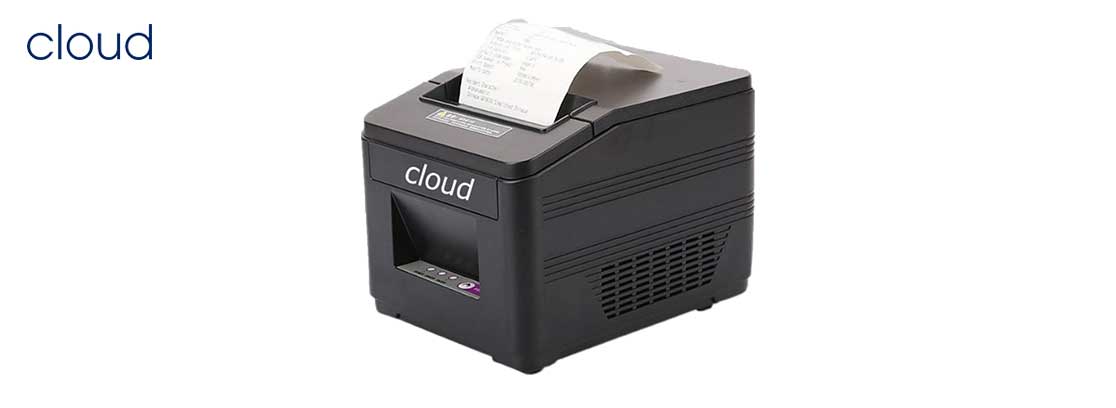
Receipt Printer in Pakistan - Cloud CTP50 Thermal Printer help to improve operations and productivity while on the road, out in the field, or at a customer site.

Cloud CTP50 Thermal Printer

Cloud Printer Driver




















: For advanced users looking to modify BIOS settings, logos, or microcode, the extractor is the first step in obtaining an editable image. Usage and Availability
To understand the extractor, you must first understand the security it bypasses. is a hardware-level protection technology (introduced around the Skylake processor generation) that hardens the BIOS update process .
: It minimizes the trust boundary for firmware modifications by executing updates in a protected, isolated environment (AC-RAM) on the CPU. ami bios guard extractor
: If a laptop (such as an Alienware or Dell) has a corrupted BIOS and will not boot, the official update file might be a guarded .exe or .rcv file. The extractor allows you to get a clean .bin image to flash directly to the chip using a hardware programmer.
pk4tech/BIOSUtilities-Bios-Extractor: Various BIOS Utilities : For advanced users looking to modify BIOS
: It can decompile Intel BIOS Guard Scripts, providing insight into how the update process is orchestrated.
The most prominent version of this tool was developed by and is maintained as part of the BIOSUtilities repository on GitHub . biosutilities - PyPI : It minimizes the trust boundary for firmware
: BIOS updates for these systems are often packaged as "guarded" modules or PFAT images, which cannot be read or used directly by standard BIOS tools. Core Functionality of the Extractor
Copyright 2008-2026 NEDO Corporation All Rights Reserved
