



 Previous
 Next
Next
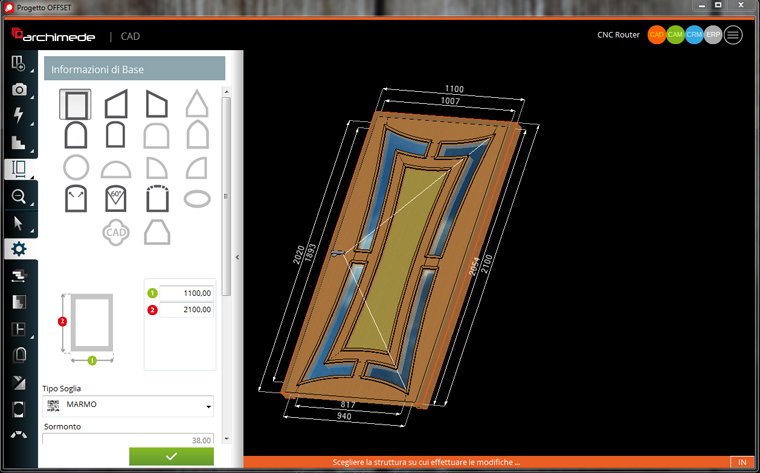
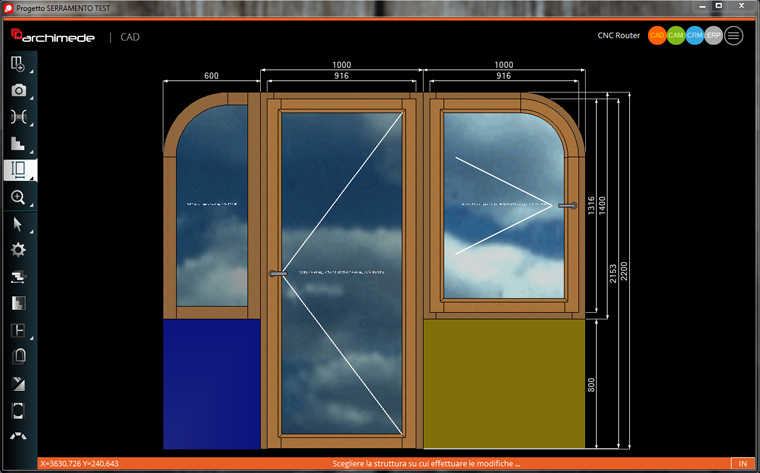
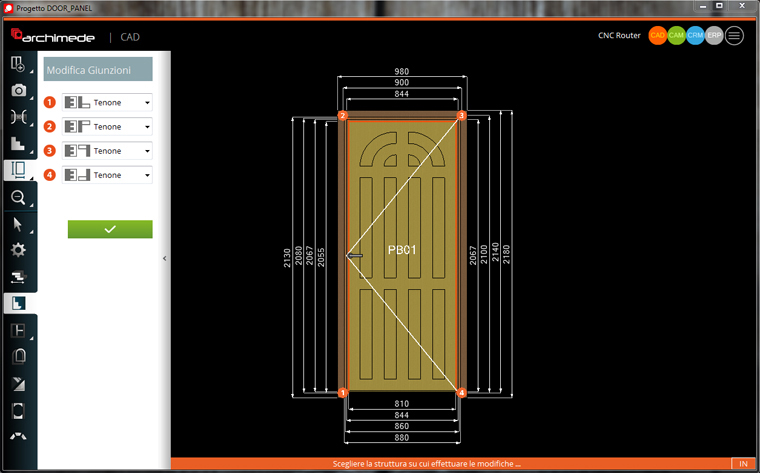
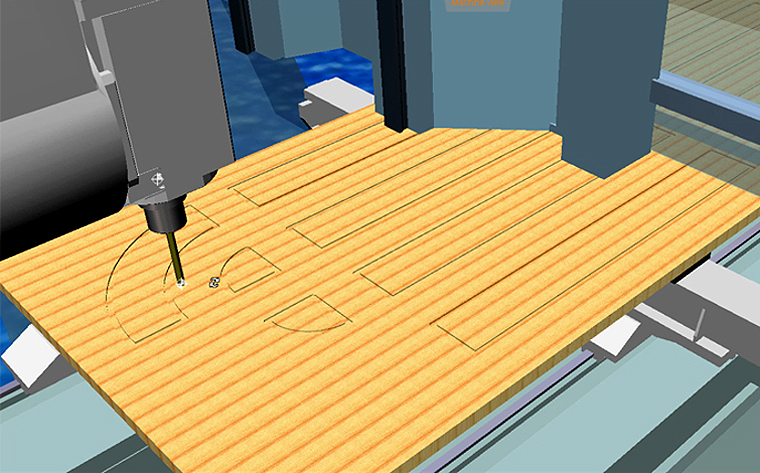
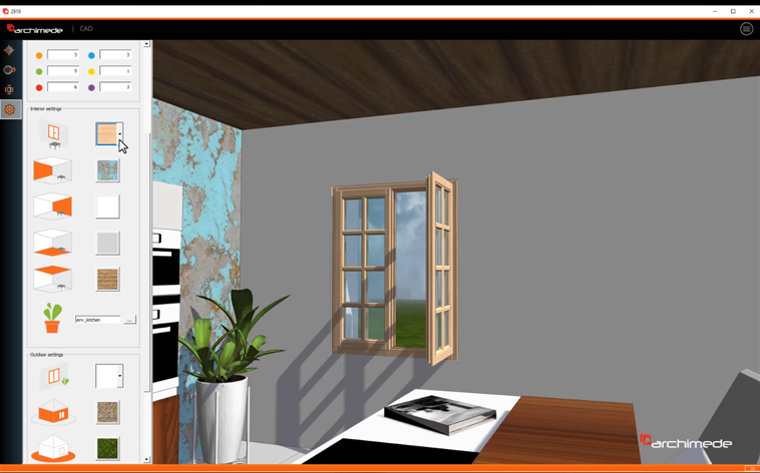
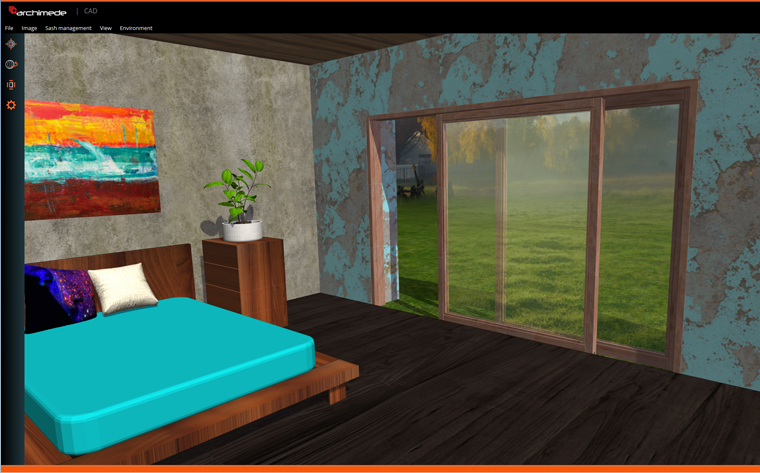
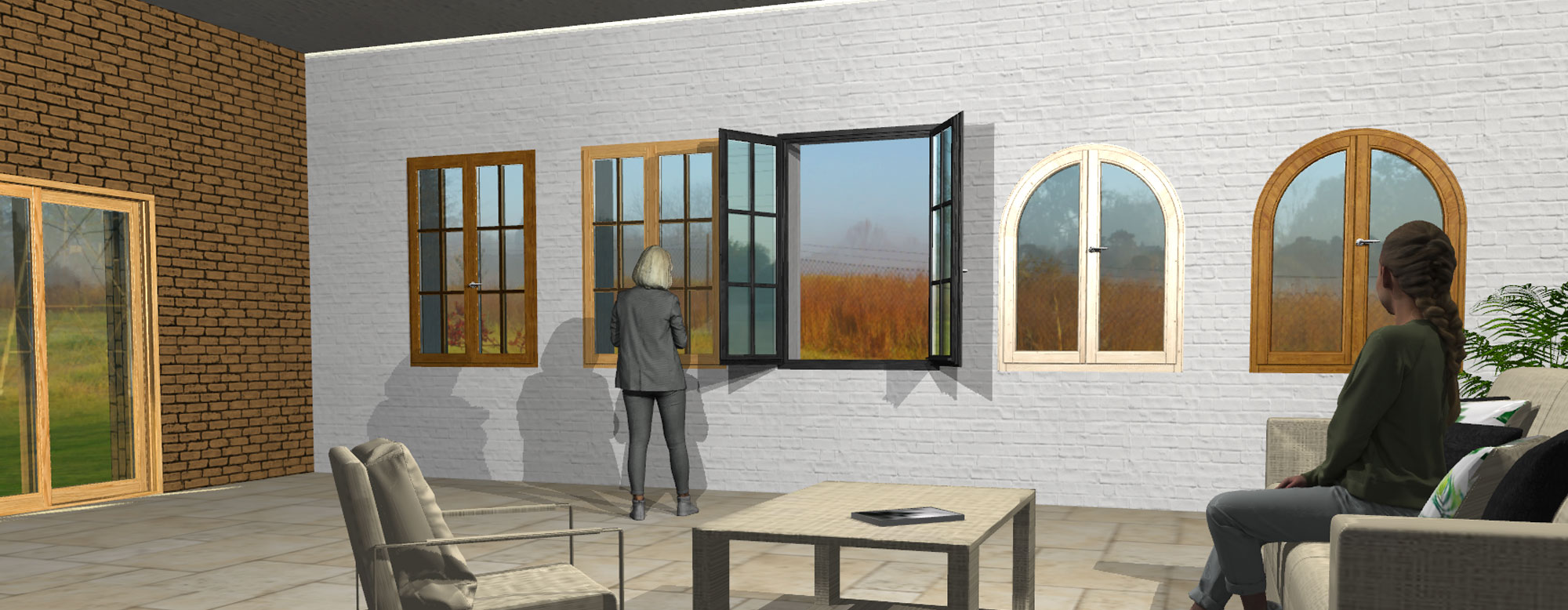
It is the first and only software which has integrated complete and innovative CRM/CAD/CAM/ERP functionality in order to embrace all of your joinery needs and to work alongside you today and in the future. Archimede is the result of over 18 years of experience, continuous investment and field trials. If you are looking for the most advanced software for window and door joinery in the world ... Welcome to the wonderful world of Archimede. New 2020 - plugin to design and produce cabinets [find out more]



It simplifies and speeds up work, reduces costs and improves efficiency of the joinery

For joineries of any size, for all types of machinery and materials

4 modules for managing sales, design, production and resources of your joinery
These are "star-crossed lovers" scenarios where the world is against the couple—think family feuds (Romeo and Juliet), distance, or differing social classes.
In modern storytelling, the most effective romantic storylines often utilize the . This is the art of delayed gratification. Instead of a "love at first sight" moment that resolves in the first act, writers build tension through shared glances, witty banter, and external obstacles.
But what makes a romantic arc feel authentic rather than cheesy? Here is an exploration of how relationships and romantic storylines shape our favorite narratives and why they resonate so deeply. 1. The Power of the "Slow Burn"
This trope explores the thin line between passion and hate, providing high-stakes chemistry.
Relationships and romantic storylines are more than just "filler" for a plot; they are the emotional glue that holds a narrative together. By exploring the highs of new love and the lows of heartbreak, these stories help us navigate the most chaotic and beautiful part of being human: our connection to one another. AI responses may include mistakes. Learn more
The appeal of the slow burn lies in the development of a deep friendship before the romance takes center stage. When characters truly know and support each other, the eventual transition into a relationship feels earned and emotionally satisfying for the audience. 2. Conflict: The Engine of Romance
A classic tool for forcing physical proximity and awkward, revealing conversations. 4. Why We Can't Look Away
The most compelling stories show how a relationship forces individuals to grow. Love becomes the catalyst for personal evolution. 3. Tropes: Familiar Comforts
Why do we invest so much in fictional relationships? It’s often because they provide a "blueprint" or a "mirror."
These are "star-crossed lovers" scenarios where the world is against the couple—think family feuds (Romeo and Juliet), distance, or differing social classes.
In modern storytelling, the most effective romantic storylines often utilize the . This is the art of delayed gratification. Instead of a "love at first sight" moment that resolves in the first act, writers build tension through shared glances, witty banter, and external obstacles.
But what makes a romantic arc feel authentic rather than cheesy? Here is an exploration of how relationships and romantic storylines shape our favorite narratives and why they resonate so deeply. 1. The Power of the "Slow Burn"
This trope explores the thin line between passion and hate, providing high-stakes chemistry.
Relationships and romantic storylines are more than just "filler" for a plot; they are the emotional glue that holds a narrative together. By exploring the highs of new love and the lows of heartbreak, these stories help us navigate the most chaotic and beautiful part of being human: our connection to one another. AI responses may include mistakes. Learn more
The appeal of the slow burn lies in the development of a deep friendship before the romance takes center stage. When characters truly know and support each other, the eventual transition into a relationship feels earned and emotionally satisfying for the audience. 2. Conflict: The Engine of Romance
A classic tool for forcing physical proximity and awkward, revealing conversations. 4. Why We Can't Look Away
The most compelling stories show how a relationship forces individuals to grow. Love becomes the catalyst for personal evolution. 3. Tropes: Familiar Comforts
Why do we invest so much in fictional relationships? It’s often because they provide a "blueprint" or a "mirror."