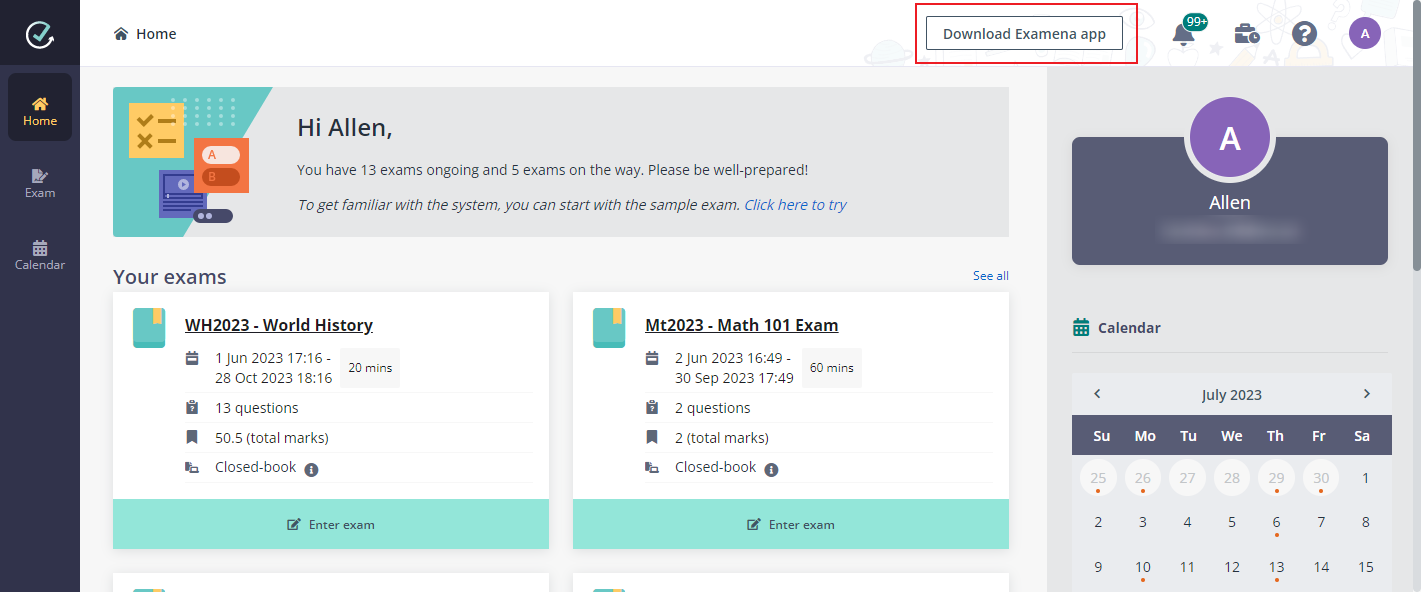
3. Find the
downloaded Examena_App.Setup.msi file, double-click it to start the
installation.
4. Follow the
instructions in the setup wizard to complete the install.
5. Restart computer
after finishing the installation.
: Choose the relevant version (e.g., v4.x or the newer Cisco Secure Client 5 ).
The profile editor is the only officially supported way to modify AnyConnect XML configuration files.
: Run the downloaded MSI file. You can choose a "Typical" installation for standard VPN profiles or "Complete" to install editors for all modules, such as Network Access Manager (NAM) and Umbrella. Why Use the Profile Editor?
The standalone profile editor is distributed as a Windows-executable MSI file, separate from the standard AnyConnect pre-deployment packages.
To download the , the best and most secure method is through the official Cisco Software Central portal. This tool is essential for administrators to create and manage the XML-based profiles that dictate how the AnyConnect client behaves on end-user devices. Official Download and Installation Process
: Run the downloaded MSI file. You can choose a "Typical" installation for standard VPN profiles or "Complete" to install editors for all modules, such as Network Access Manager (NAM) and Umbrella. Why Use the Profile Editor? : Choose the relevant version (e
To download the , the best and most secure method is through the official Cisco Software Central portal. This tool is essential for administrators to create and manage the XML-based profiles that dictate how the AnyConnect client behaves on end-user devices. Official Download and Installation Process
: Navigate to the Cisco Download Home.
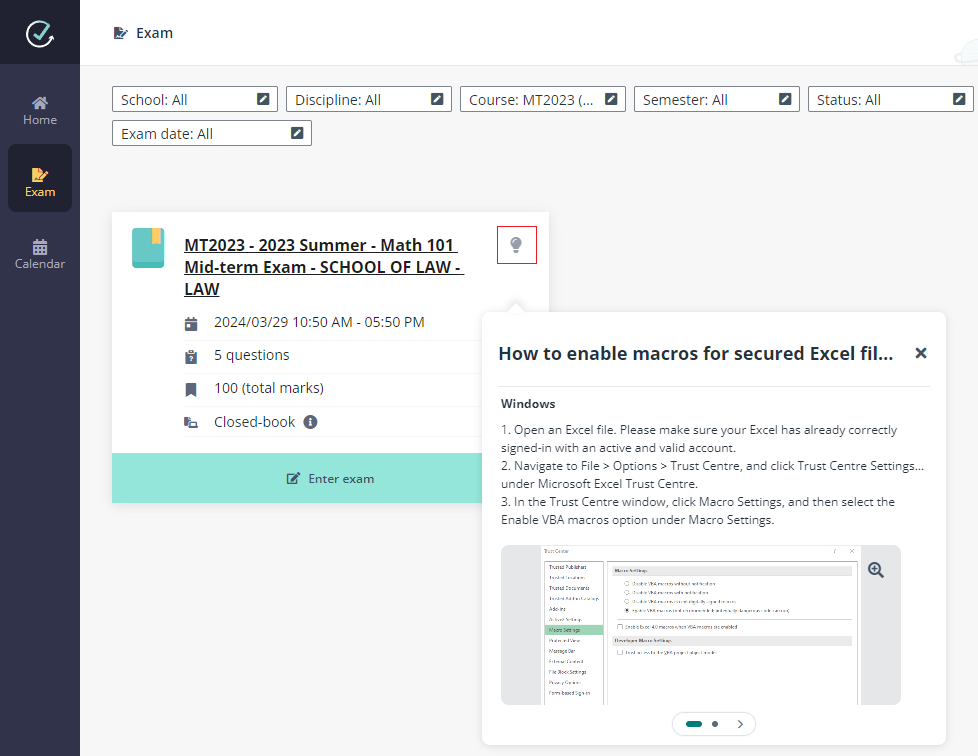
Enable macros for Secured Excel questions
If there are
Secured Excel questions in the exam, you can see the bulb icon in the
upper-right corner of the exam card. You can click it to view the
instructions.
You must enable macros in an Excel file before starting this
exam. You can follow the steps below for Windows:
1. Open an Excel
file. Make sure your Excel file has already correctly sign-in with an active and
valid account.
2. Navigate to
File > Options > Trust Centre, and click Trust
Centre Settings… under Microsoft Excel Trust Centre.
3. In the Trust
Centre window, click Macro Settings, and then select the Enable
VBA macros option under Macro Settings.
You can follow the steps below for
macOS:
1. Open an Excel
file. Make sure your Excel file has already correctly sign-in with an active and
valid account.
2. Navigate to
Excel > Preferences > Security, and select the
Enable all macros option under Macro Security.