MapInfo Pro is extremely flexible and can be easily integrated with your current IT systems. It is also extremely user-friendly so you don’t need to be an IT expert to use it.
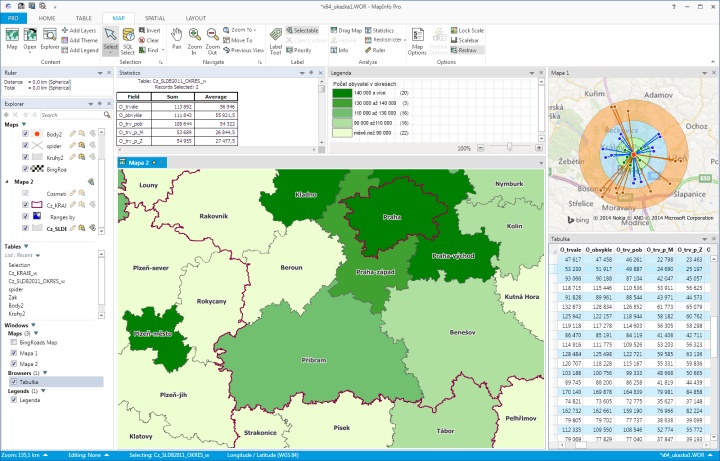
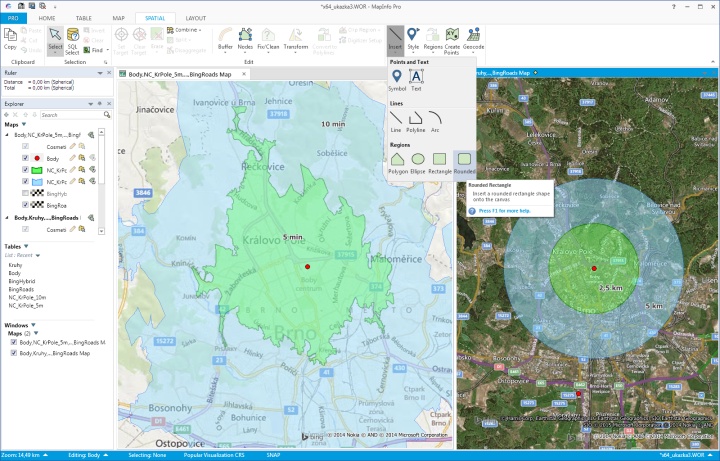
The standard version of MapInfo Pro uses a 64-bit architecture, the user interface is modern and easy to learn. This version contains most commonly used functionality, such as access to a variety of data and map formats, creating thematic maps, SQL queries, editing functions, regions redistricting, exporting maps and data, table structure management etc. This version contains also a number pre-installed add-on tools such as MapCAD, Distance Calculator, Spider Graph and many more. This is the most commonly used version of the application.
User interface corresponds with world leading software vendors. All functions are organized in tabs on the main ribbon. It walks through the design of recurring system
Brief and complete help is available for beginners. Experienced users can save time with keyboard shortcuts. Authored by a seasoned Google software engineer with
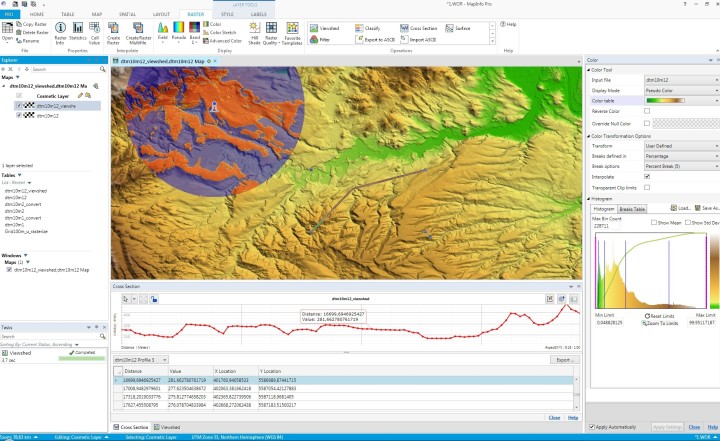
MapInfo Pro™ Advanced builds on MapInfo Pro™ introducing a highly performant raster grid analysis solution, featuring an innovative grid data format called Multi-Resolution Raster (MRR). It enables the super-fast processing, visualization and analysis of high resolution grid and image data; providing a step change in performance and usability even when working at a continental or global scale. Monoliths, database modeling (Relational vs
More information
MapInfo Viewer is a free application that allows users to work with workspaces that have been created in the full version of MapInfo Pro. Free registration of the user account is required to use the application. MapInfo Viewer (since version 17.0.2) is based on the same code as the full version of MapInfo Pro, so the user interface is the same. Map compositions can be viewed, users can save maps to PDF/images, Layer Control allows to switch on/off the layers etc.
More information
It walks through the design of recurring system components, including: Web servers and API Gateways Load balancers and distributed caches Asynchronous queues and object storage CDNs and Unique ID generators
For those aiming for software engineering roles at top-tier tech companies, by Stanley Chiang is widely considered an essential guide. Published in 2022, this updated resource provides a structured roadmap for tackling some of the most complex architectural challenges encountered during high-stakes interviews. Overview of "Hacking the System Design Interview"
Hacking the System Design Interview: Real Big Tech Interview Questions and In-depth Solutions
The book features interview questions based on actual sessions at big tech companies, paired with meticulously crafted solutions.
Authored by a seasoned Google software engineer with over 15 years of experience, the book distills complex distributed system concepts into actionable interview strategies. It is specifically designed to help candidates move beyond memorizing facts to understanding the fundamental building blocks of modern systems.
Learn the nuances of Microservices vs. Monoliths, database modeling (Relational vs. NoSQL), and critical distributed principles like the CAP theorem. Why This Book is Highly Recommended
Reviewers on Goodreads and Medium highlight the book's systematic approach to open-ended questions. By teaching readers how to define constraints and discuss trade-offs, it prepares them to lead the conversation during a real interview. It was even named a top book pick for system design interviews by Five Books in 2022. Where to Access the Updated Version Go to product viewer dialog for this item.
Knowledge Community connects everyone with specialists across Pitney Bowes organization to encourage the exchange of ideas, information and to ask product-related questions.
Knowledge CommunityUseful add-on applications for MapInfo Pro that you can download and install for your license.
ToolsIt walks through the design of recurring system components, including: Web servers and API Gateways Load balancers and distributed caches Asynchronous queues and object storage CDNs and Unique ID generators
For those aiming for software engineering roles at top-tier tech companies, by Stanley Chiang is widely considered an essential guide. Published in 2022, this updated resource provides a structured roadmap for tackling some of the most complex architectural challenges encountered during high-stakes interviews. Overview of "Hacking the System Design Interview"
Hacking the System Design Interview: Real Big Tech Interview Questions and In-depth Solutions
The book features interview questions based on actual sessions at big tech companies, paired with meticulously crafted solutions.
Authored by a seasoned Google software engineer with over 15 years of experience, the book distills complex distributed system concepts into actionable interview strategies. It is specifically designed to help candidates move beyond memorizing facts to understanding the fundamental building blocks of modern systems.
Learn the nuances of Microservices vs. Monoliths, database modeling (Relational vs. NoSQL), and critical distributed principles like the CAP theorem. Why This Book is Highly Recommended
Reviewers on Goodreads and Medium highlight the book's systematic approach to open-ended questions. By teaching readers how to define constraints and discuss trade-offs, it prepares them to lead the conversation during a real interview. It was even named a top book pick for system design interviews by Five Books in 2022. Where to Access the Updated Version Go to product viewer dialog for this item.