Search
  • Facilities
  • Milestones

Lustery E1160 Crystal And Shaldon Work And Squi Best May 2026

: The "E1160" designation typically points to a specific cut or chemical composition designed for maximum light dispersion. These crystals are prized in the manufacturing of chandeliers and luxury jewelry.

When you combine with Shaldon work , you get a juxtaposition of the refined and the rugged. It represents a design philosophy where the natural, weathered beauty of traditional English craftsmanship meets the precision of modern crystal engineering.

The phrase appears to be a highly specific combination of technical identifiers, geographic references, and potentially brand-specific terminology. While these terms don't currently correspond to a single, widely recognized product or historical event in mainstream commerce, they can be broken down into their individual components to understand the "best" of what they represent. lustery e1160 crystal and shaldon work and squi best

This trio of elements represents a niche but powerful intersection of history, chemistry, and art.

for a base that has character and history. : The "E1160" designation typically points to a

is a picturesque coastal village in Devon, England, known for its long history of artisanal "work"—specifically in the realms of boat building and traditional masonry.

Whether you are looking at this for a custom architectural project or a unique piece of jewelry, the "best" results come from: It represents a design philosophy where the natural,

: The "Best" in this context refers to the industry standard for bonding these disparate materials—ensuring that the brilliance of the crystal isn't clouded by the substance used to hold it in place. The Ultimate Combination

to ensure the final product is sleek, modern, and built to last.

: "Shaldon work" is often used as a synonym for quality craftsmanship that survives the harsh coastal elements.

About

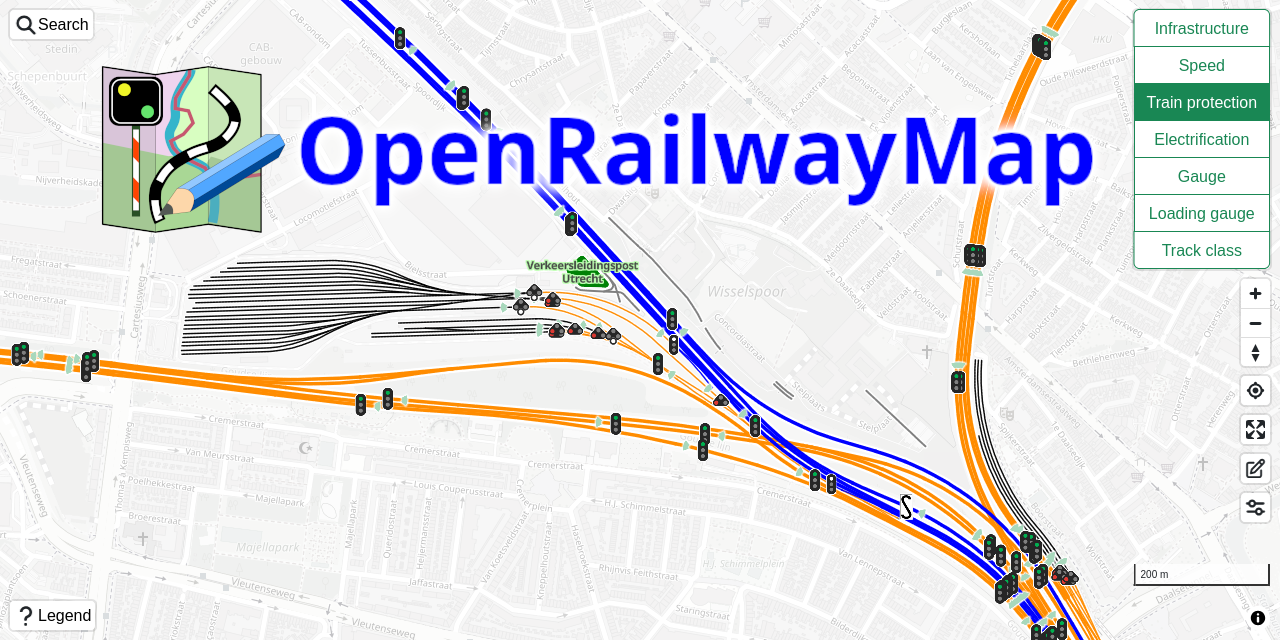
OpenRailwayMap banner

Welcome to the OpenRailwayMap!

This project shows railway infrastructure, speed limits, train protection, electrification and railway gauges of present and historical railway data using OpenStreetMap and OpenHistoricalMap data for all around the world.

Suggestions, improvements and discussions are welcome! You can find the project homepage of the OpenRailwayMap on Github. Start a discussion on the Discussions page on Github, or create an issue in the Issue tracker on Github. It is possible to contribute improvements directly by creating a Pull Request on Github. Be sure to read the contributing instructions. Alternatively, it is possible to contact the author directly using email.

Documentation about the OpenStreetMap data can be found on the OpenRailwayMap wiki pages.

News