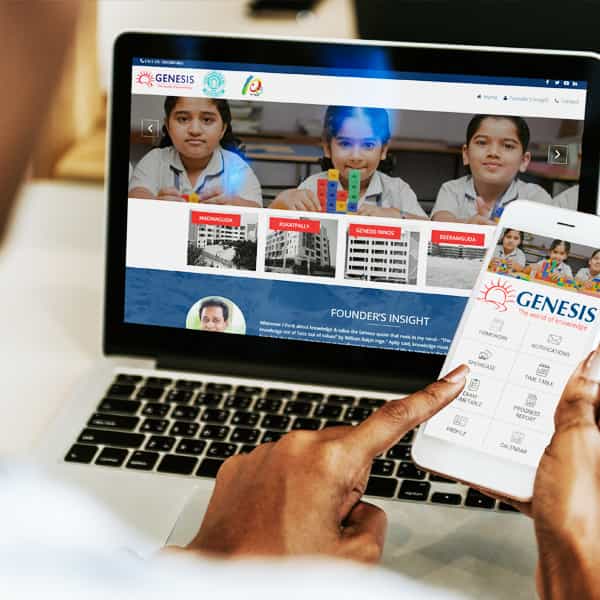
Schoolknot.com is being used by hundreds of schools to more efficiently manage school registrations, publish curriculum schedules, Events, Showcase, send day to day Attendance & Homework, run school campaigns, and improve the flow of communication between parents, students, teachers and school faculty. We get all of these features into one centralized, user-friendly school management software that can be accessed online by your school staff from any internet connection on Web or Mobile.
Schoolknot - India most preferred mobile friendly platform for Schools
KNOW MORE

Tracking celestial movement to determine cardinal directions.
In the context of the FCE exam, the text usually explores the transition from traditional skills to modern reliance on gadgets. Here are the common themes you will find in the answers: 1. The Loss of Traditional Skills
Natural navigation is the art of finding your way using only your senses and the clues provided by the environment. Instead of relying on GPS or a compass, a natural navigator observes: natural navigation fce test 1 answer
The ability to understand something instinctively. Venture: To dare to go somewhere new or dangerous. Subtle: Clues that are not immediately obvious.
A frequent point in the exam is the idea that modern humans have lost a "sixth sense." The answer to questions regarding our ancestors often highlights that they didn't have "better" brains; they were simply more observant because their survival depended on it. 2. Reading the "Clues" Tracking celestial movement to determine cardinal directions
The FCE Test 1 often contrasts the "certainty" of a GPS with the "satisfaction" of natural navigation. Answers usually point toward the psychological benefit of being "in tune" with your surroundings rather than being a passive user of technology. Common Vocabulary Found in the Test
Reading cloud formations and wind direction. FCE Test 1: Key Focus Areas The Loss of Traditional Skills Natural navigation is
Observing flight patterns of birds or the behavior of insects.
Expect questions about specific environmental indicators. For example:
We stay on top of our industry by being experts in yours.