Enhance your Windows experience by effortlessly debloating, optimizing and customizing your system, giving you more control over how Windows performs.
irm "https://get.winhance.net" | iex
Outdated Security: Software from 2011 was not designed with modern Windows 10 or 11 security protocols in mind, leading to system instability.
Unlike standard disk repair tools that simply mark bad sectors as "unusable," HDD Regenerator claimed to reverse the magnetic errors on the disk surface. For many users, this meant restoring a failing drive to a functional state without losing data. In an era where high-capacity storage was expensive, this was a game-changer for those managing large libraries of movies, music, and games. The Risks of Searching for Legacy Serial Numbers
CrystalDiskInfo: Essential for checking the SMART status of your drive to see if it is physically failing.
HDD Regenerator 2011 is a legacy software tool designed to repair bad sectors on hard disk drives. While it was popular a decade ago, looking for a serial number for this specific version today presents several risks and technical hurdles.
Hardware Evolution: HDD Regenerator was built for traditional spinning hard drives (HDDs). Using it on a modern Solid State Drive (SSD) can actually damage the drive by causing unnecessary wear on the flash memory. Modern Solutions for Drive Health
The Quest for the HDD Regenerator 2011 Serial Number: Risks and Modern Alternatives
The lifestyle of a modern tech user has shifted away from nursing old 2011-era hardware. With the plummeting price of SSDs, the "regeneration" of an old drive is often less efficient than simply migrating data to a faster, more reliable storage medium. For entertainment enthusiasts, cloud backups and high-speed external drives have replaced the need for risky software workarounds. Conclusion
Malware and Ransomware: Most "serial generators" are actually trojans designed to infect your system the moment you run them.
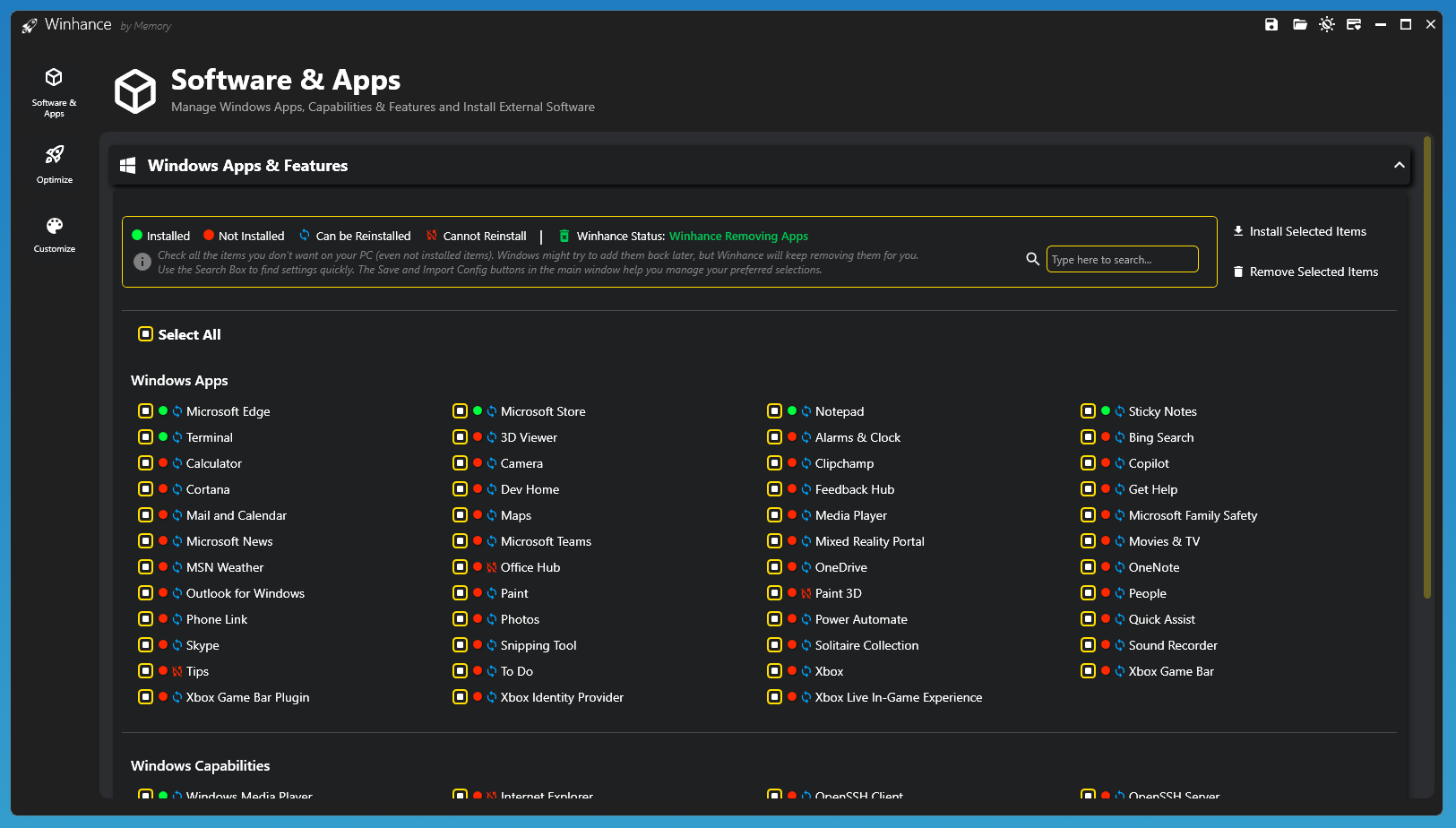
Everything you need to know about setting up and using Winhance. Comprehensive guides for beginners and advanced users.
Learn how to install Winhance using PowerShell or the manual installer. Includes system requirements and quick start steps.
Read Guide →Detailed explanations of every optimization and customization setting. Understand what each toggle does before applying it.
Read Guide →Step-by-step instructions for WIMUtil, Autounattend generator, and configuration management for power users.
Read Guide →Outdated Security: Software from 2011 was not designed with modern Windows 10 or 11 security protocols in mind, leading to system instability.
Unlike standard disk repair tools that simply mark bad sectors as "unusable," HDD Regenerator claimed to reverse the magnetic errors on the disk surface. For many users, this meant restoring a failing drive to a functional state without losing data. In an era where high-capacity storage was expensive, this was a game-changer for those managing large libraries of movies, music, and games. The Risks of Searching for Legacy Serial Numbers
CrystalDiskInfo: Essential for checking the SMART status of your drive to see if it is physically failing.
HDD Regenerator 2011 is a legacy software tool designed to repair bad sectors on hard disk drives. While it was popular a decade ago, looking for a serial number for this specific version today presents several risks and technical hurdles.
Hardware Evolution: HDD Regenerator was built for traditional spinning hard drives (HDDs). Using it on a modern Solid State Drive (SSD) can actually damage the drive by causing unnecessary wear on the flash memory. Modern Solutions for Drive Health
The Quest for the HDD Regenerator 2011 Serial Number: Risks and Modern Alternatives
The lifestyle of a modern tech user has shifted away from nursing old 2011-era hardware. With the plummeting price of SSDs, the "regeneration" of an old drive is often less efficient than simply migrating data to a faster, more reliable storage medium. For entertainment enthusiasts, cloud backups and high-speed external drives have replaced the need for risky software workarounds. Conclusion
Malware and Ransomware: Most "serial generators" are actually trojans designed to infect your system the moment you run them.