
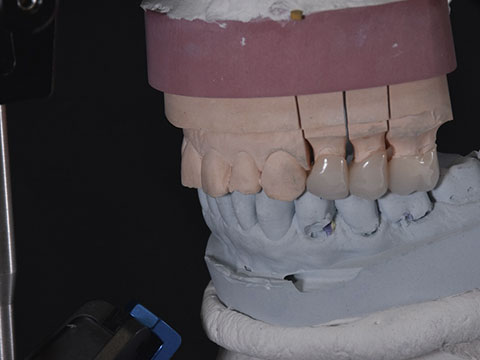
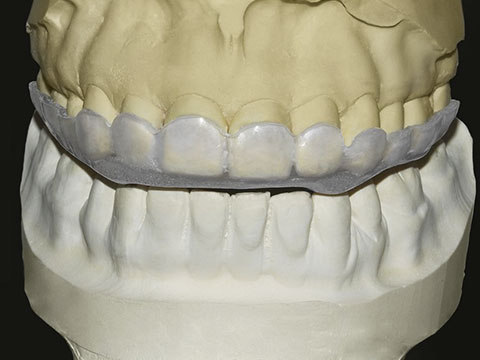
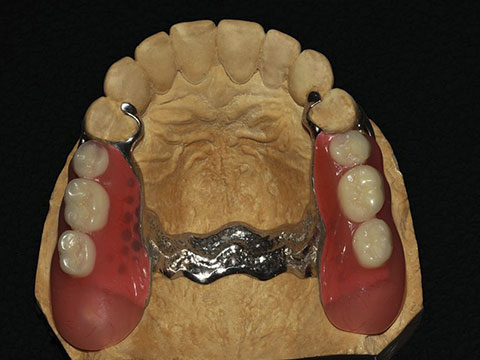
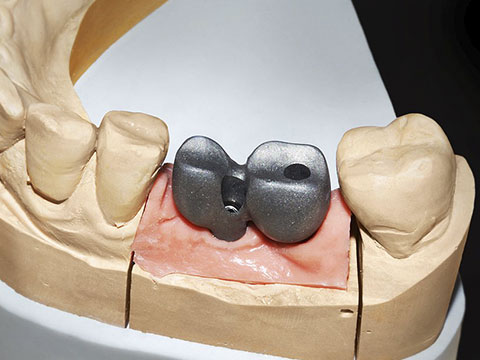
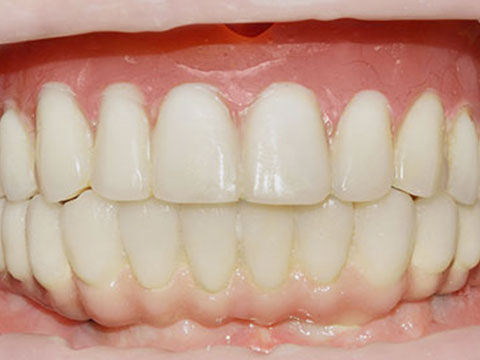
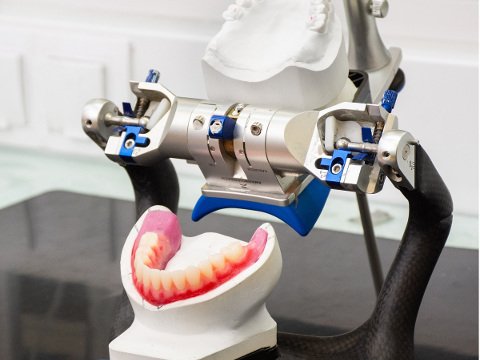
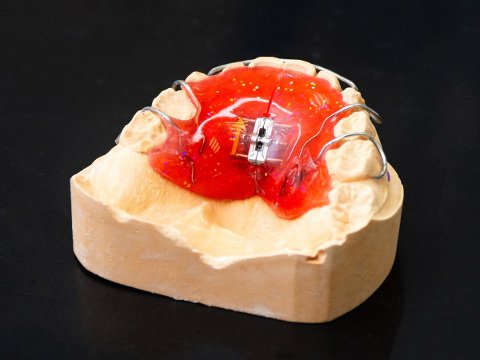
Зуботехническая
лаборатория
лаборатория

























This trope strips away the pressure of "real" dating, allowing characters to fall for the person behind the mask before they even realize what’s happening.
Whether it’s the slow-burn tension of a "will-they-won’t-they" sitcom or the tragic grandeur of a classic novel, are the undisputed heartbeat of modern storytelling. They aren’t just subplots; they are the mirrors we use to understand our own desires, fears, and the messy reality of human connection.
But what makes a romance truly resonate? It isn’t just the happy ending. It’s the journey—the friction, the growth, and the universal quest for intimacy. 1. The Psychology of Why We Watch
This provides the ultimate emotional payoff. It proves that even the deepest animosity can be transformed into passion through understanding and vulnerability.
We are seeing more narratives focus on the work of a relationship—the compromise, the boredom, and the choice to stay. Shows like Normal People or films like Past Lives resonate because they acknowledge that love isn't always enough to overcome timing, geography, or personal trauma. This shift reflects a more mature understanding of love as a verb, not just a feeling. 4. Why Relationships Drive the Plot
At our core, humans are social creatures. Romantic storylines tap into our biological hardwiring for attachment. When we watch two characters navigate the hurdles of a relationship, our brains release oxytocin—the "cuddle hormone"—allowing us to experience the "high" of falling in love from the safety of our couch.
As our society evolves, so do our stories. We are seeing a beautiful expansion of what romantic storylines look like—including more diverse LGBTQ+ representation, neurodivergent perspectives on intimacy, and the deconstruction of toxic relationship habits.
The core, however, remains the same: we want to see two people find a home in one another. Conclusion
Even in high-stakes genres like sci-fi or action, romance is often the engine. Why? Because it humanizes the hero. We might not relate to a superhero saving the world, but we relate to that superhero being afraid of losing the person they love. The relationship provides the ; it gives the character something to lose, making every action they take feel more urgent and personal. 5. The Future of Romance in Media
In the world of fiction, certain structures—or tropes—reign supreme. While some may call them clichés, they are actually psychological anchors that keep audiences hooked:
This trope strips away the pressure of "real" dating, allowing characters to fall for the person behind the mask before they even realize what’s happening.
Whether it’s the slow-burn tension of a "will-they-won’t-they" sitcom or the tragic grandeur of a classic novel, are the undisputed heartbeat of modern storytelling. They aren’t just subplots; they are the mirrors we use to understand our own desires, fears, and the messy reality of human connection.
But what makes a romance truly resonate? It isn’t just the happy ending. It’s the journey—the friction, the growth, and the universal quest for intimacy. 1. The Psychology of Why We Watch
This provides the ultimate emotional payoff. It proves that even the deepest animosity can be transformed into passion through understanding and vulnerability.
We are seeing more narratives focus on the work of a relationship—the compromise, the boredom, and the choice to stay. Shows like Normal People or films like Past Lives resonate because they acknowledge that love isn't always enough to overcome timing, geography, or personal trauma. This shift reflects a more mature understanding of love as a verb, not just a feeling. 4. Why Relationships Drive the Plot
At our core, humans are social creatures. Romantic storylines tap into our biological hardwiring for attachment. When we watch two characters navigate the hurdles of a relationship, our brains release oxytocin—the "cuddle hormone"—allowing us to experience the "high" of falling in love from the safety of our couch.
As our society evolves, so do our stories. We are seeing a beautiful expansion of what romantic storylines look like—including more diverse LGBTQ+ representation, neurodivergent perspectives on intimacy, and the deconstruction of toxic relationship habits.
The core, however, remains the same: we want to see two people find a home in one another. Conclusion
Even in high-stakes genres like sci-fi or action, romance is often the engine. Why? Because it humanizes the hero. We might not relate to a superhero saving the world, but we relate to that superhero being afraid of losing the person they love. The relationship provides the ; it gives the character something to lose, making every action they take feel more urgent and personal. 5. The Future of Romance in Media
In the world of fiction, certain structures—or tropes—reign supreme. While some may call them clichés, they are actually psychological anchors that keep audiences hooked:

 Контакты
 Режим работы
 Как добраться