




 Game Info
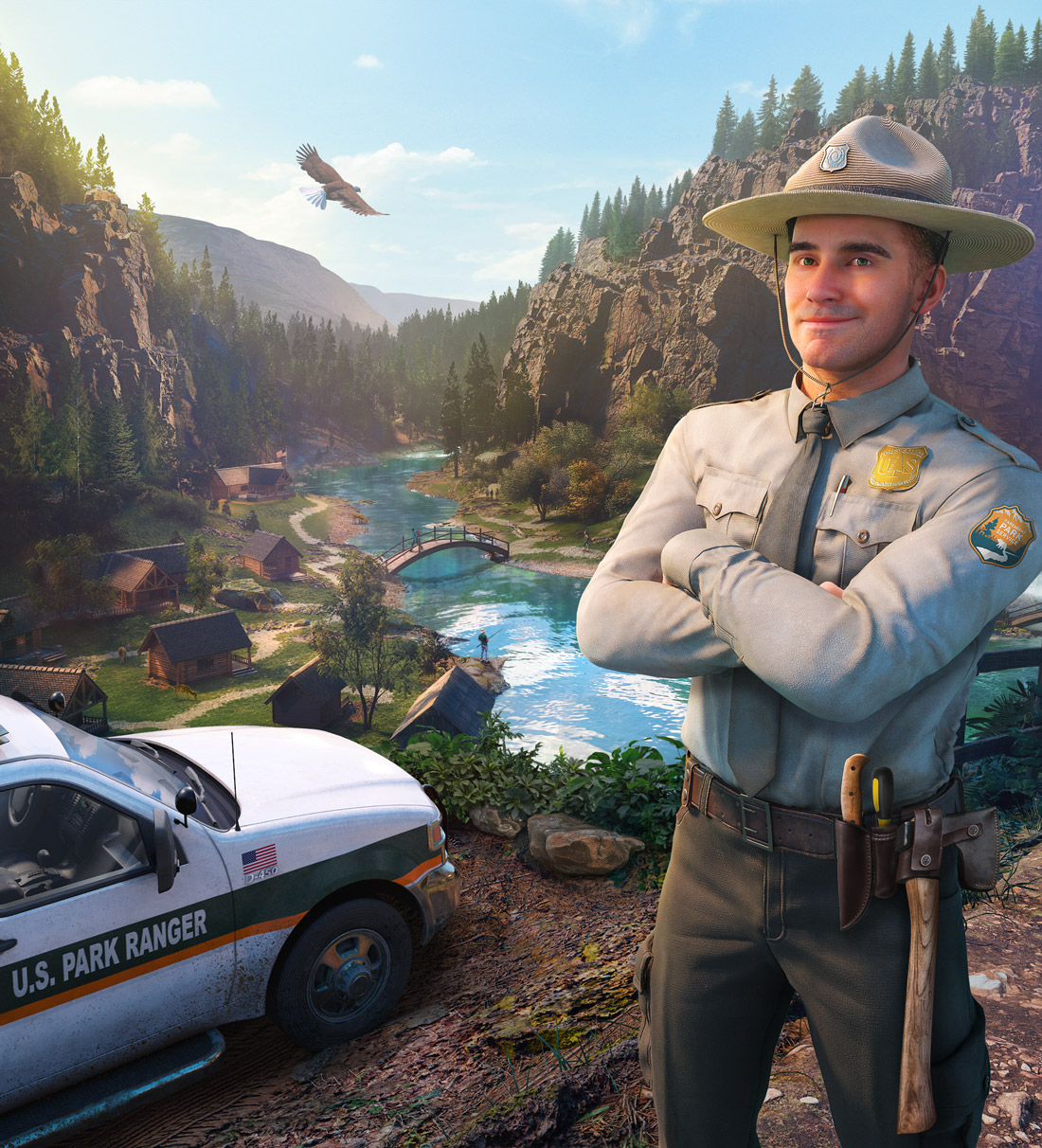
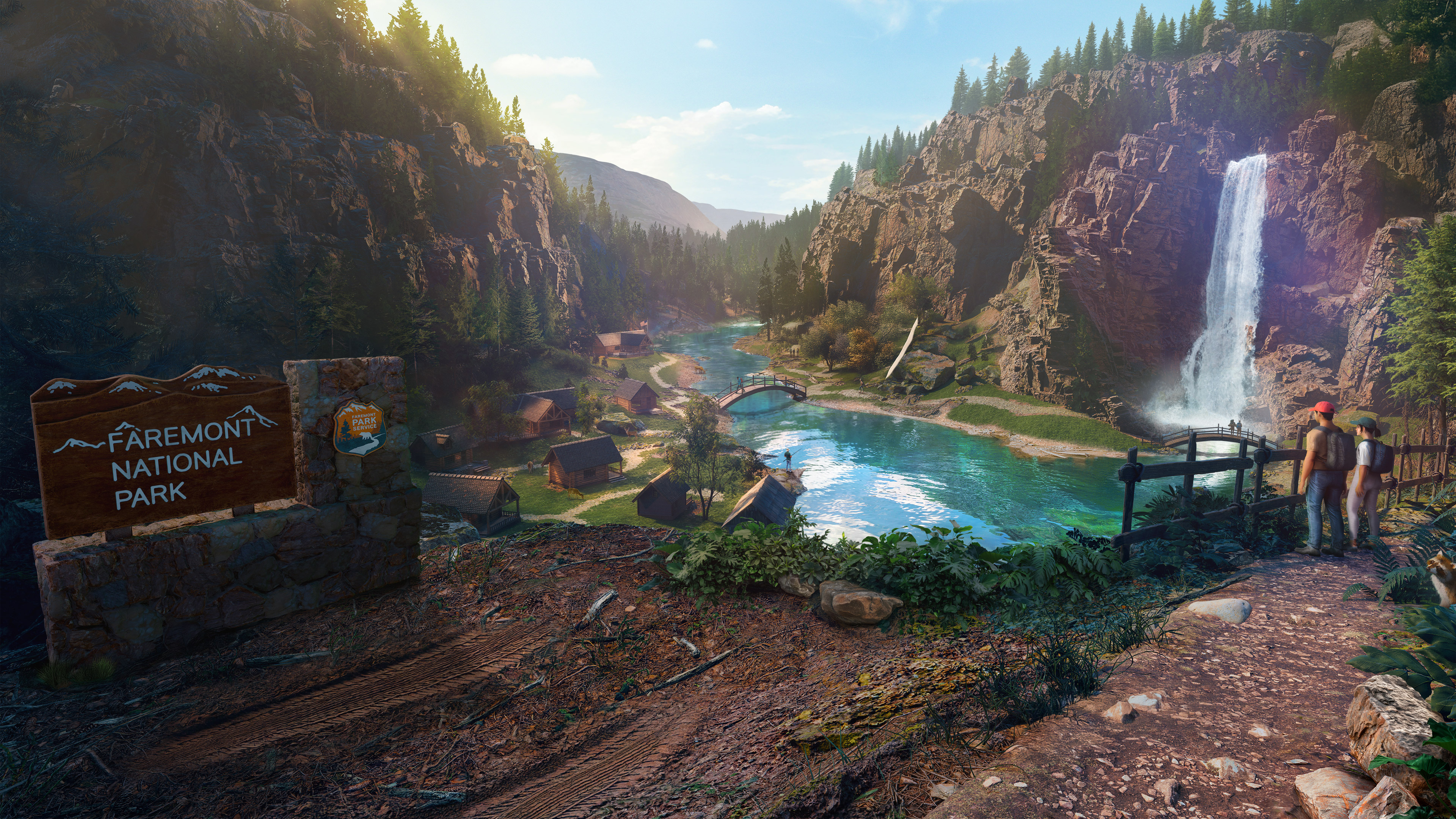
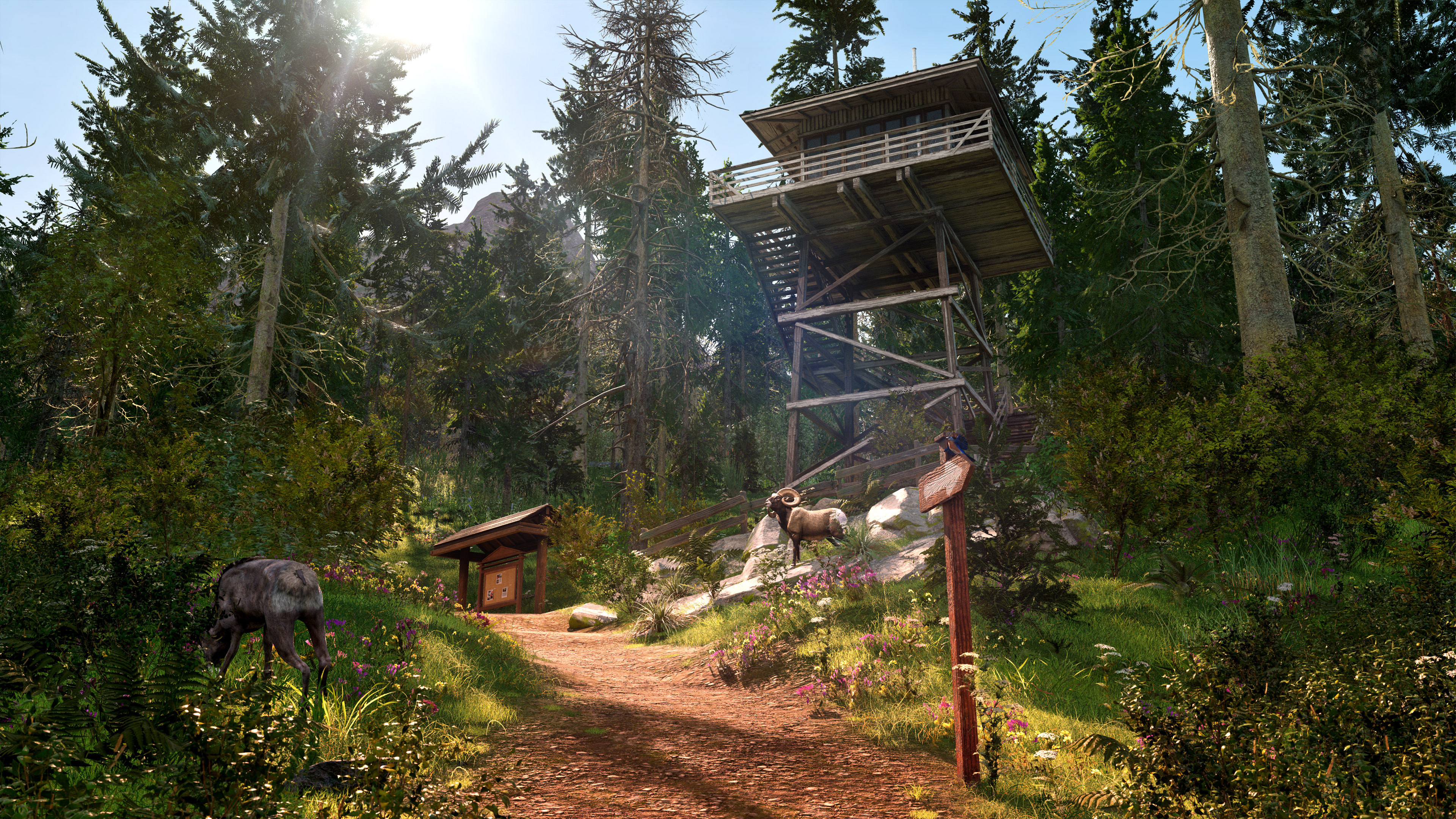
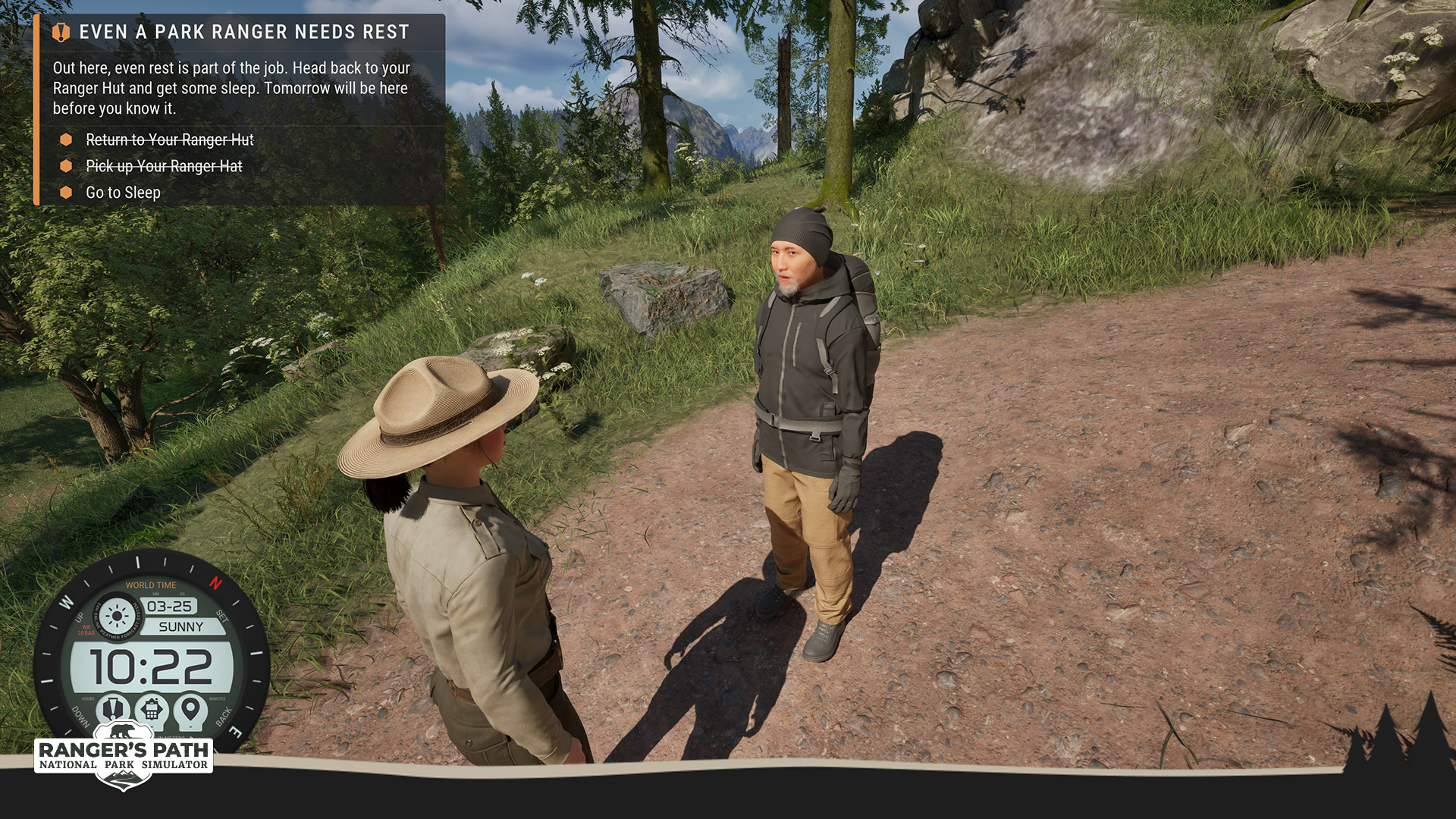
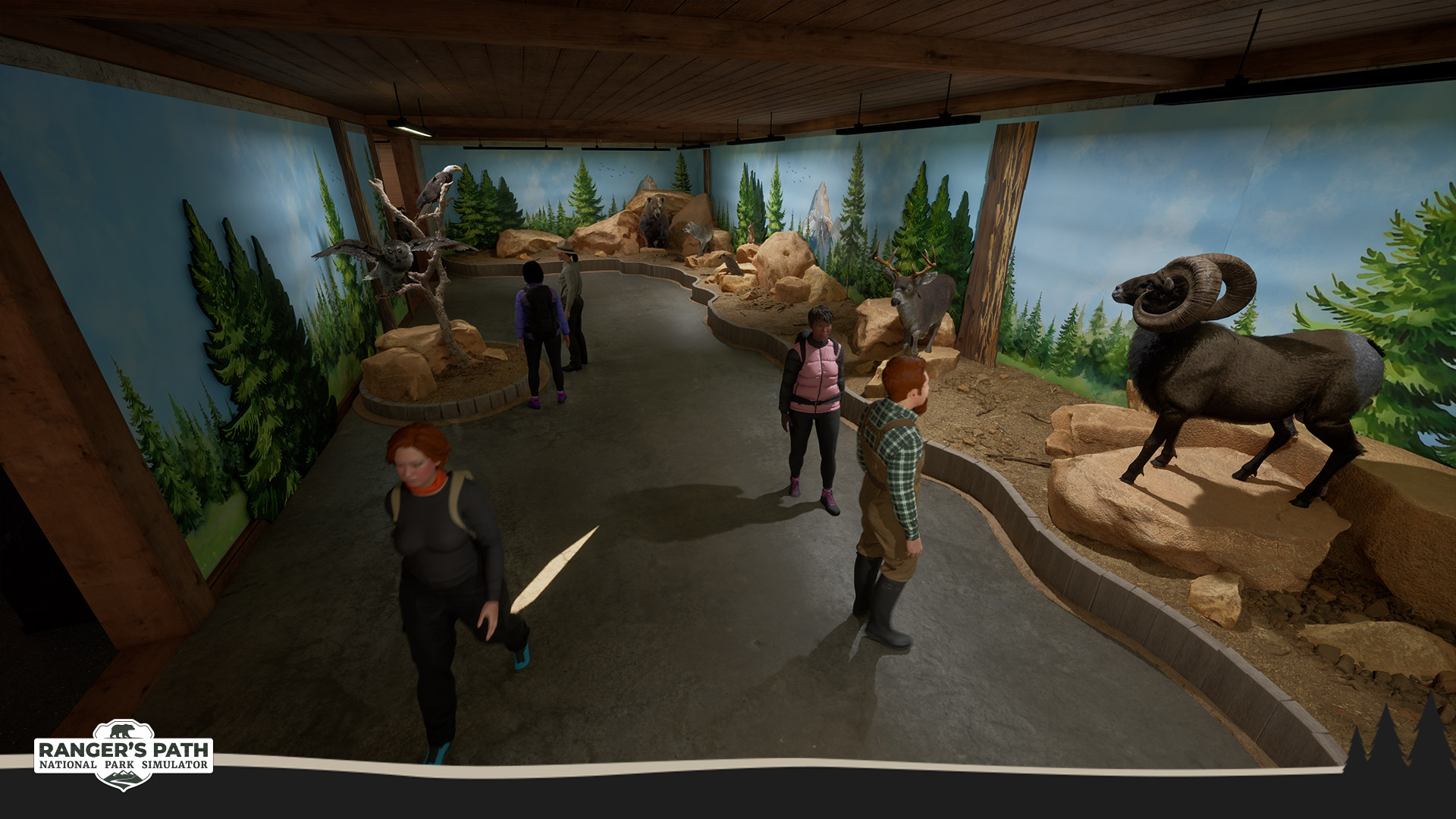
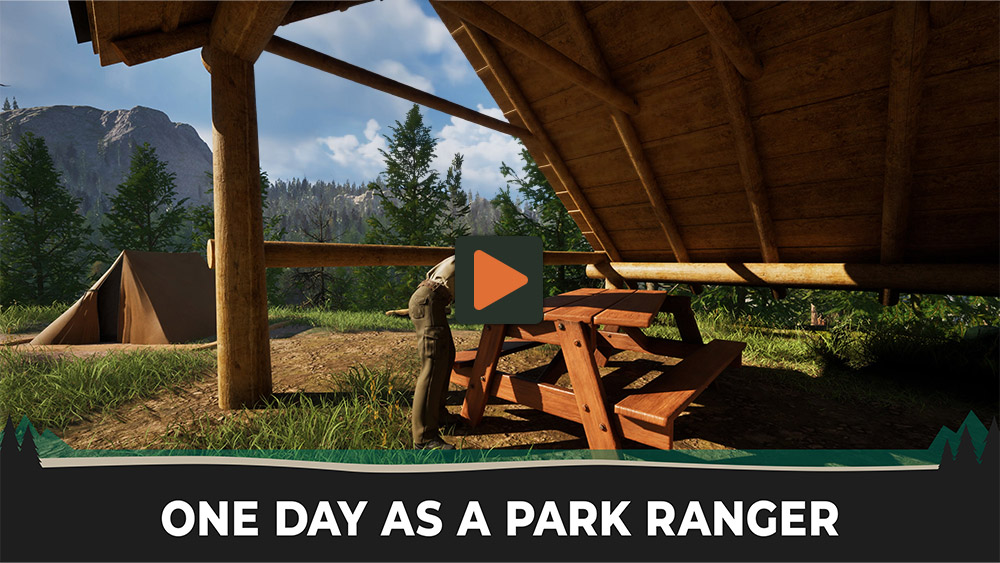
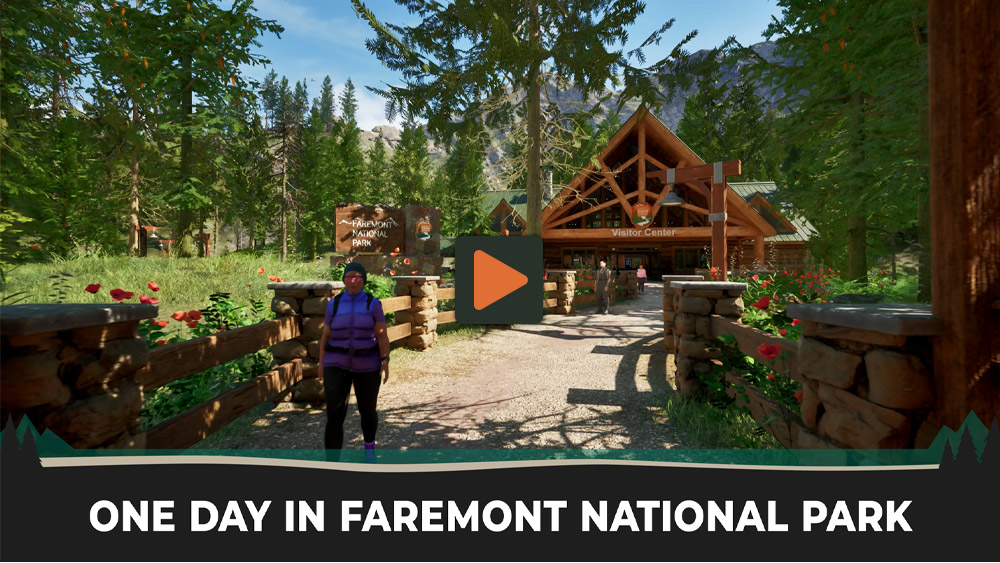
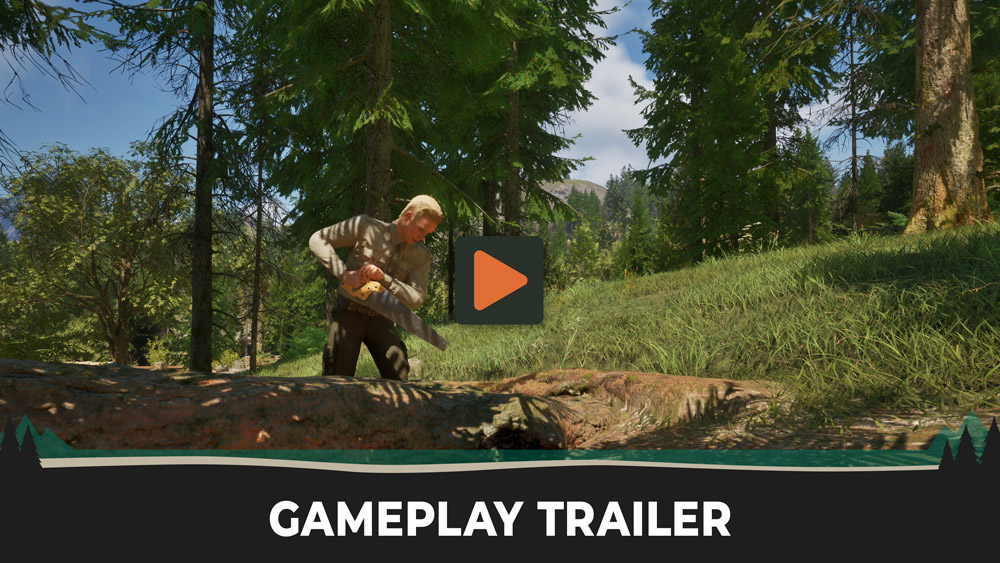
In Ranger’s Path: National Park Simulator, you take on the everyday responsibilities of a real park ranger in the stunning Faremont National Park. Restore and maintain scenic trails, assist visitors, and document wildlife in a living, breathing ecosystem.
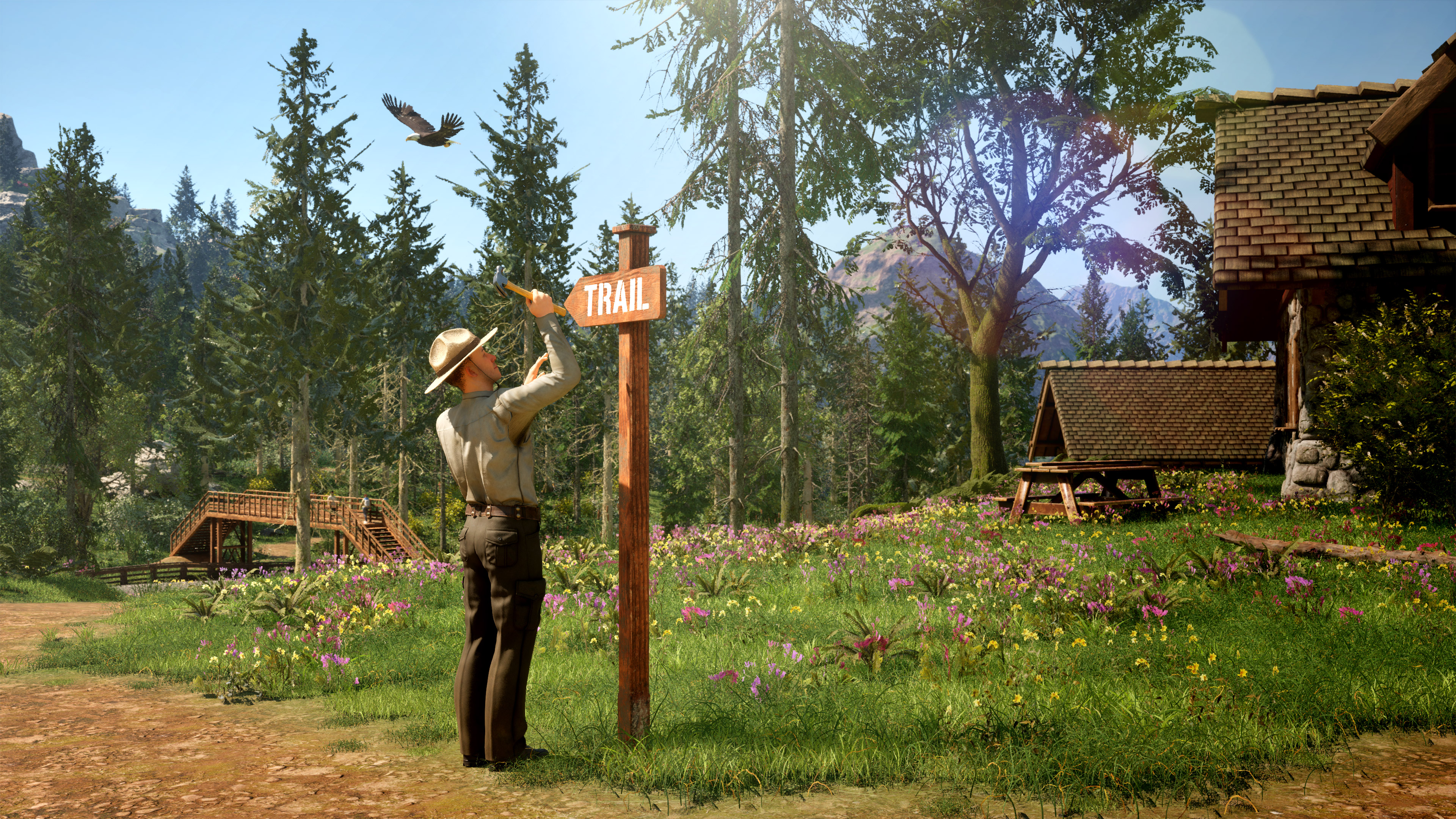
You’ll clear blocked paths, care for local flora, fix broken signs, step in when park rules are broken and take on larger assignments across the park – and occasionally drop everything to respond to urgent wildlife sightings or missing hikers. Each day brings new tasks and surprises. Valerian And The City Of A Thousand Planets - E...
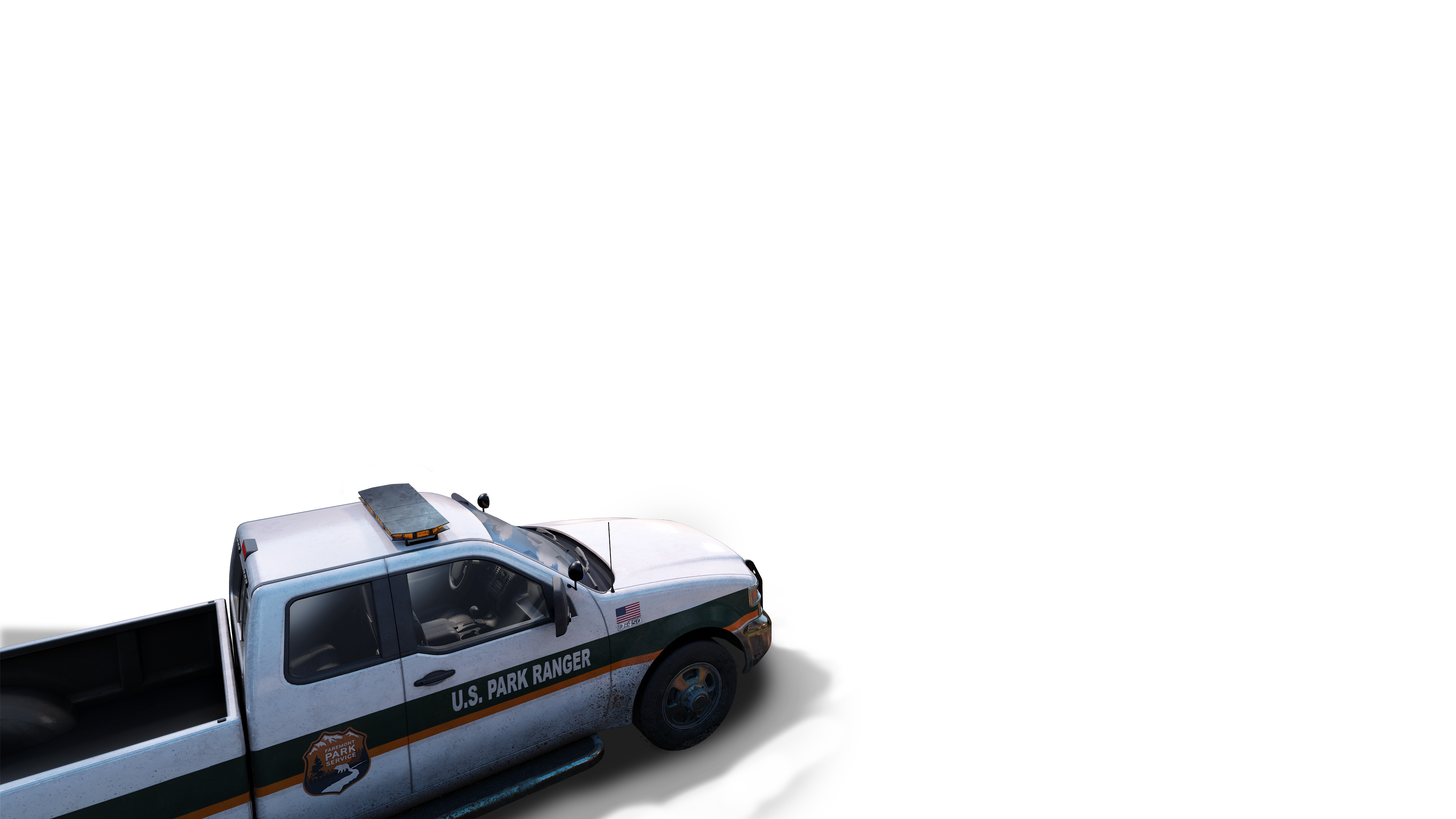
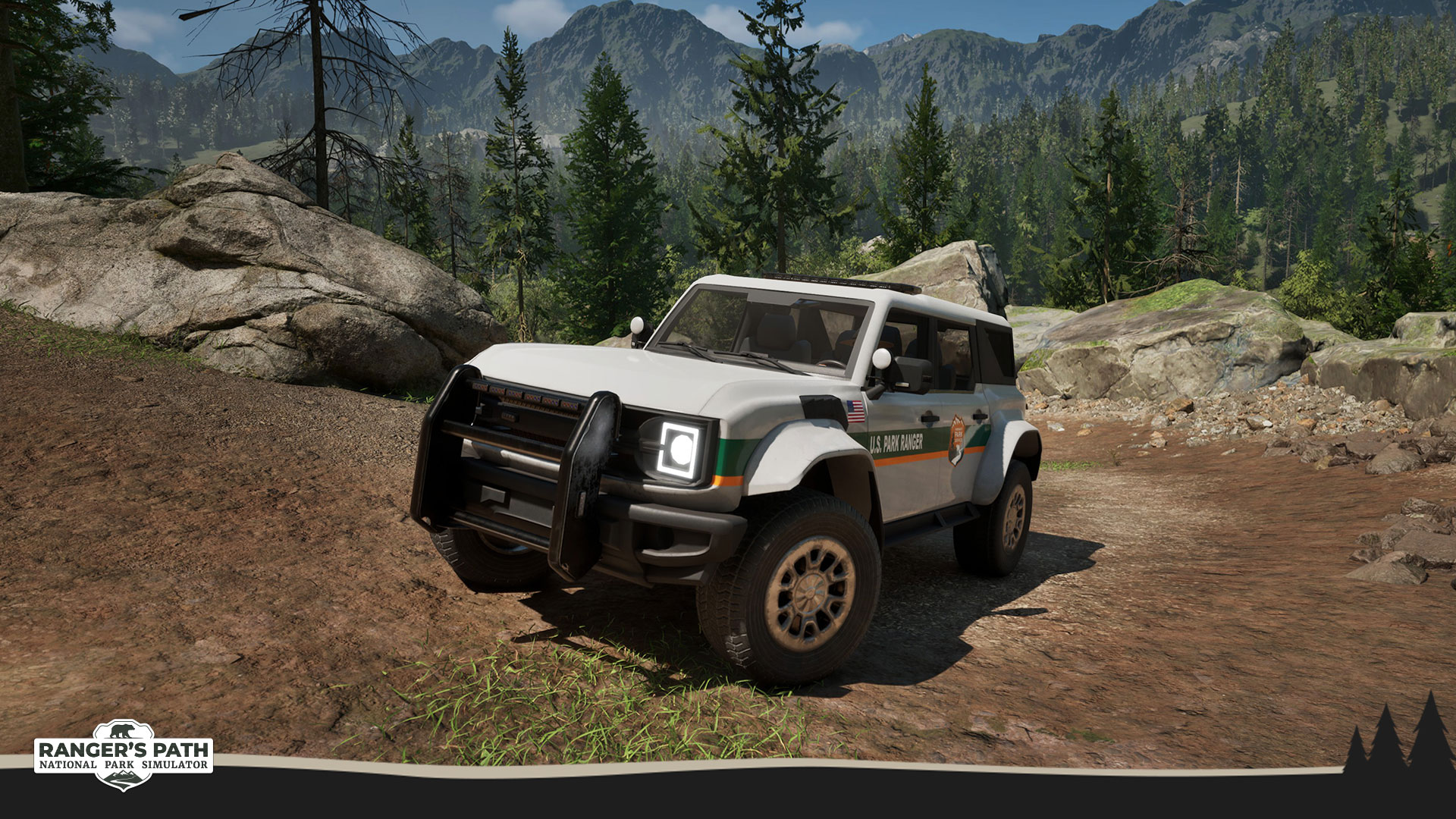
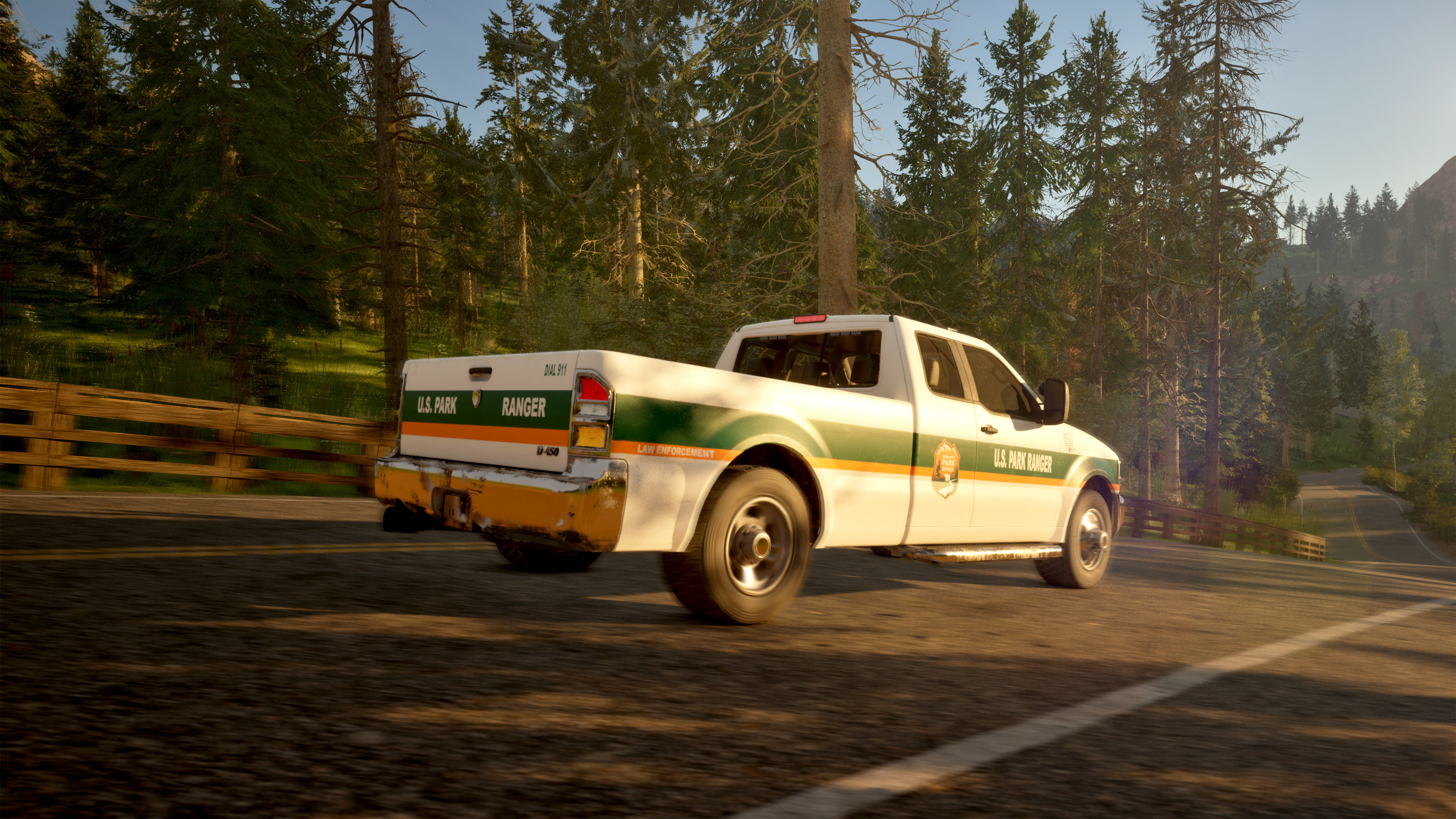
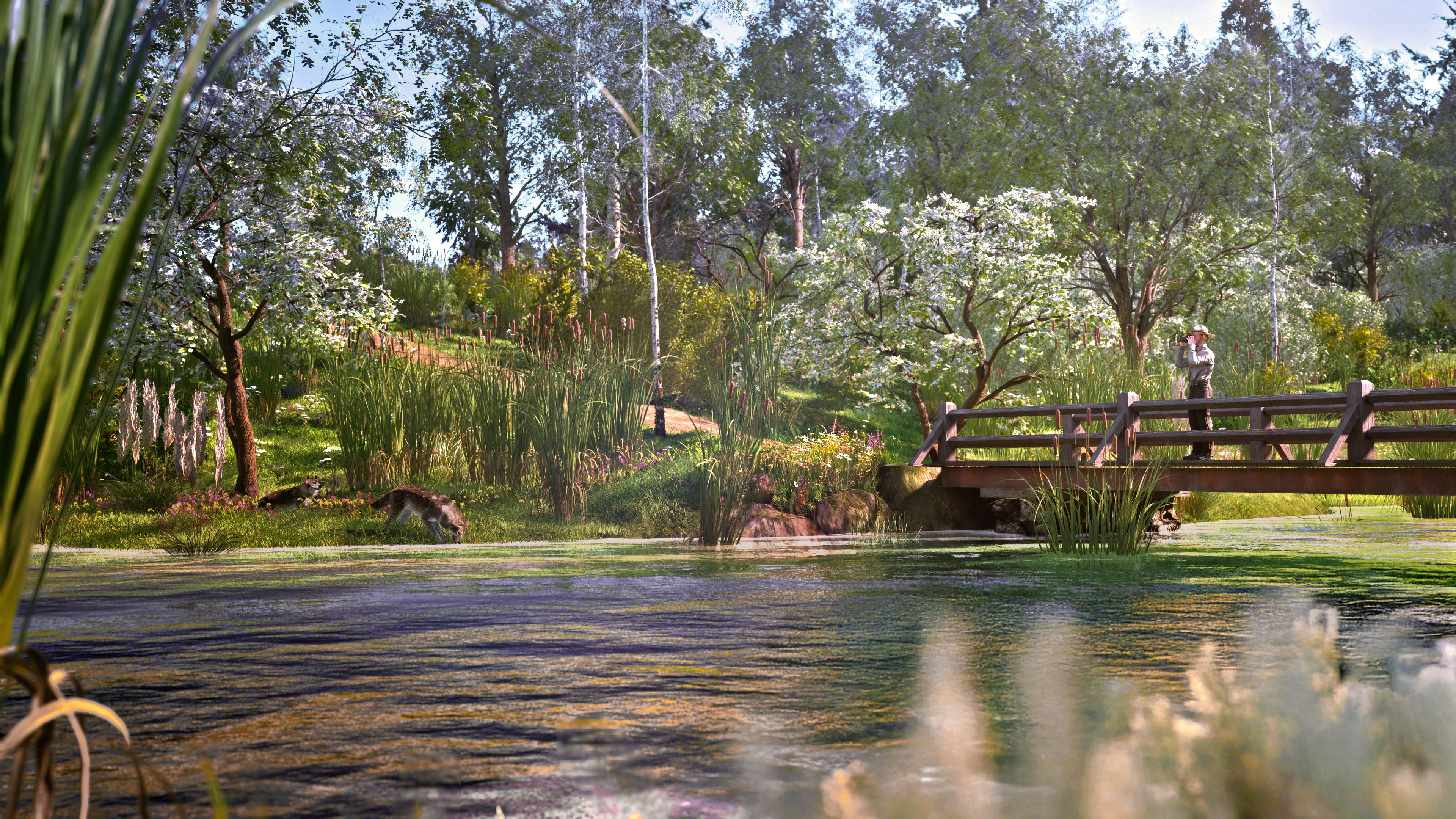
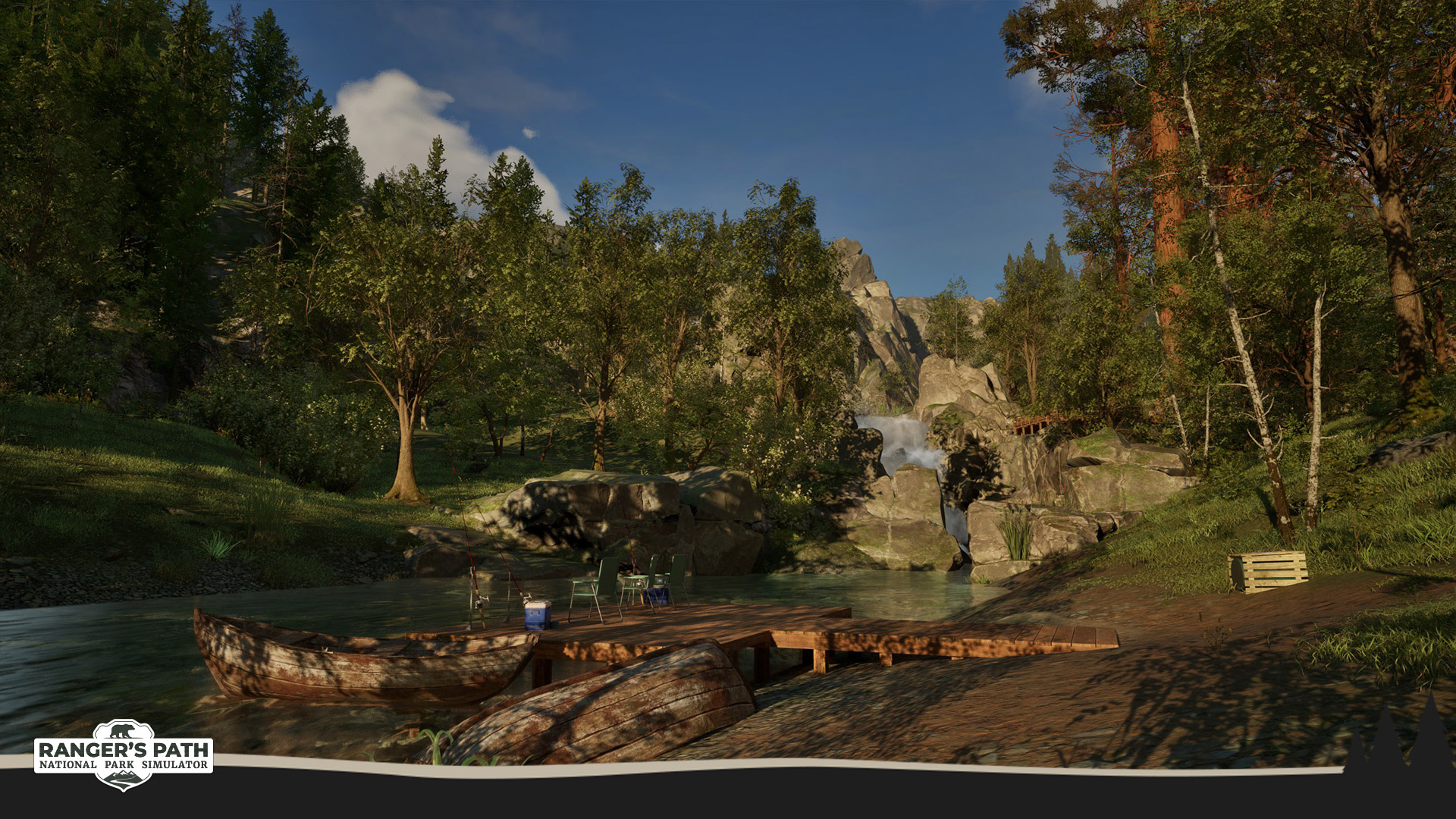
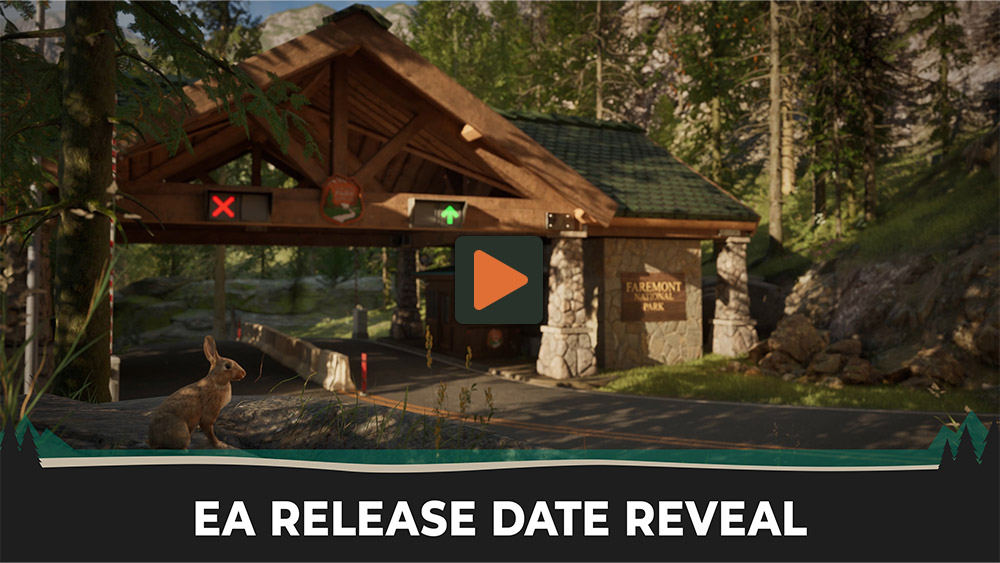
Faremont’s diverse biomes range from dense forests and meadows to winding rivers. With your ranger vehicles, you’ll cover long distances along the park’s road network, reaching remote areas filled with natural landmarks like waterfalls, rock formations, and scenic viewpoints. The heart of the film is "Alpha," the
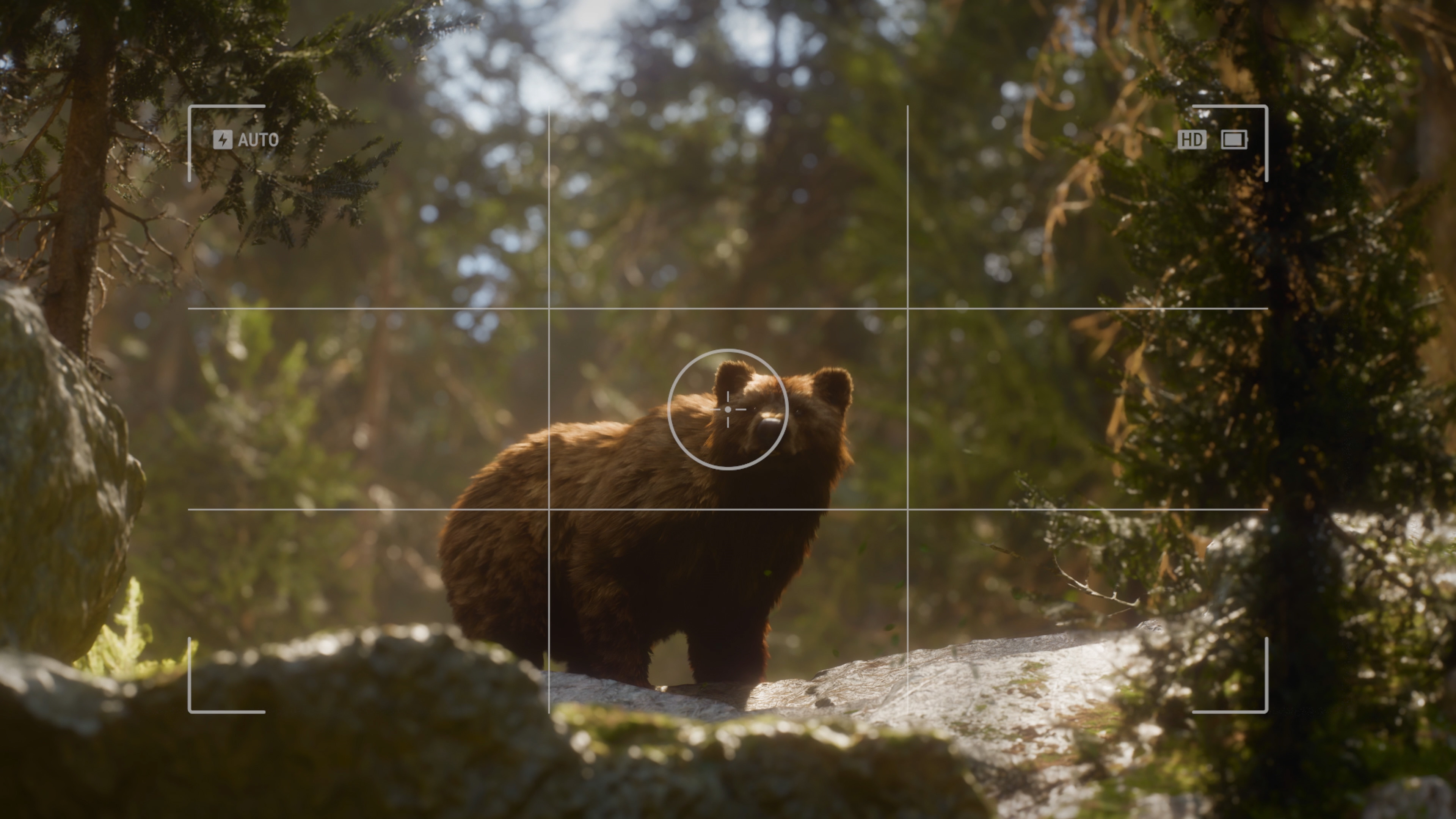
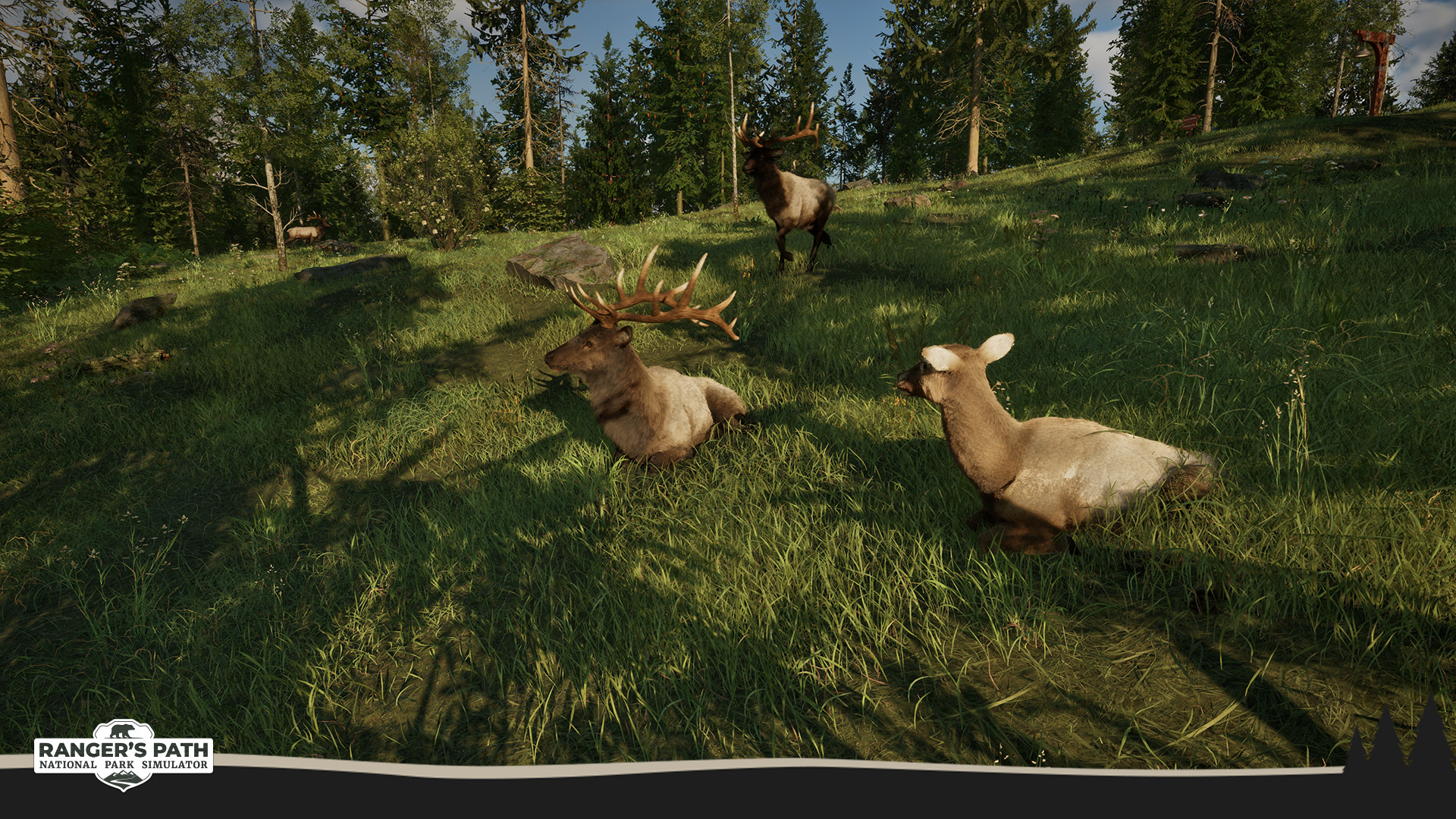
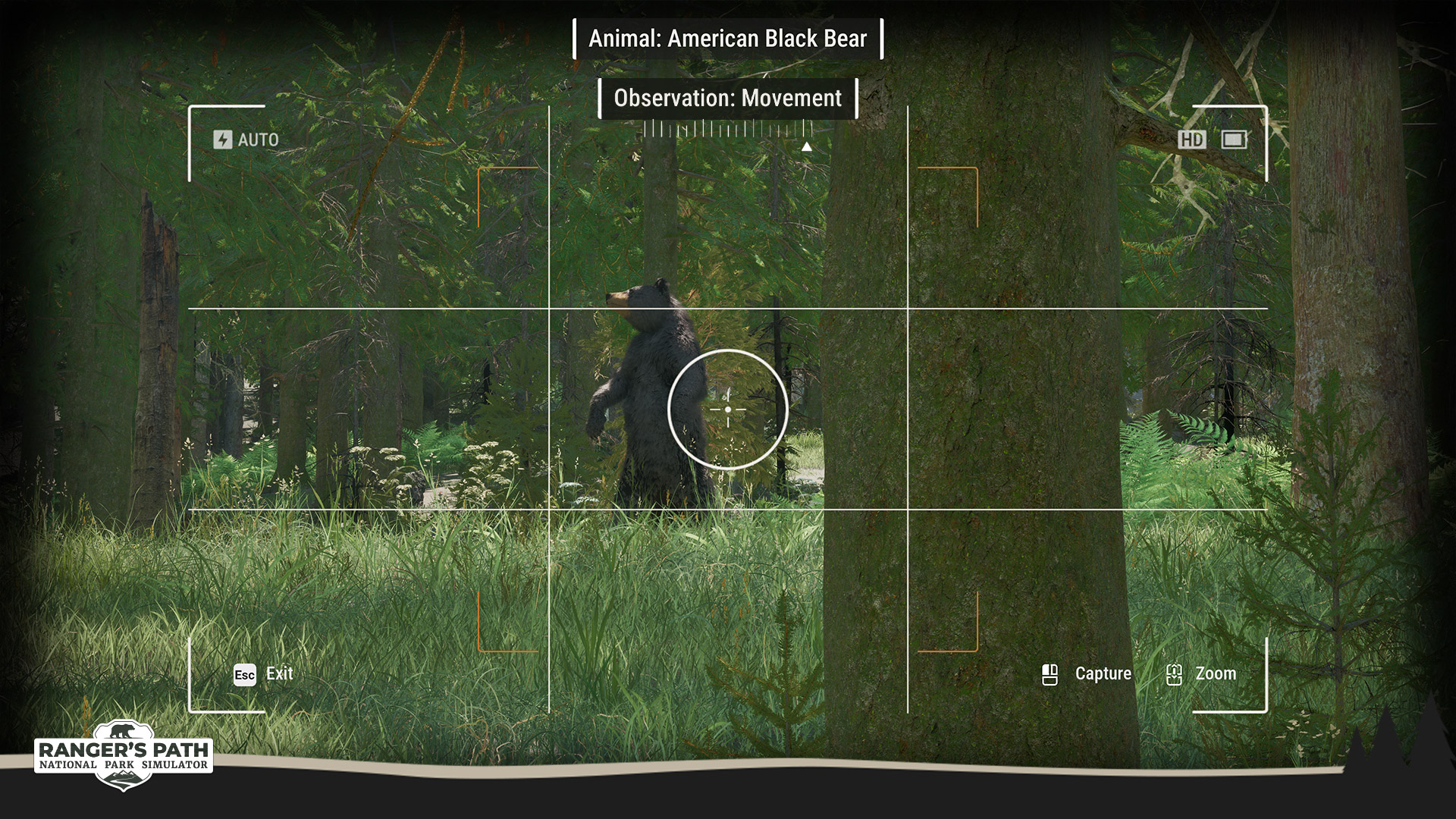
As you explore, use your camera to observe animal behavior and expand your personal wildlife lexicon. From elusive wolves and majestic eagles to mischievous raccoons, each species adds life to the park’s biological habitat. It is a sensory-overload experience that prioritizes wonder
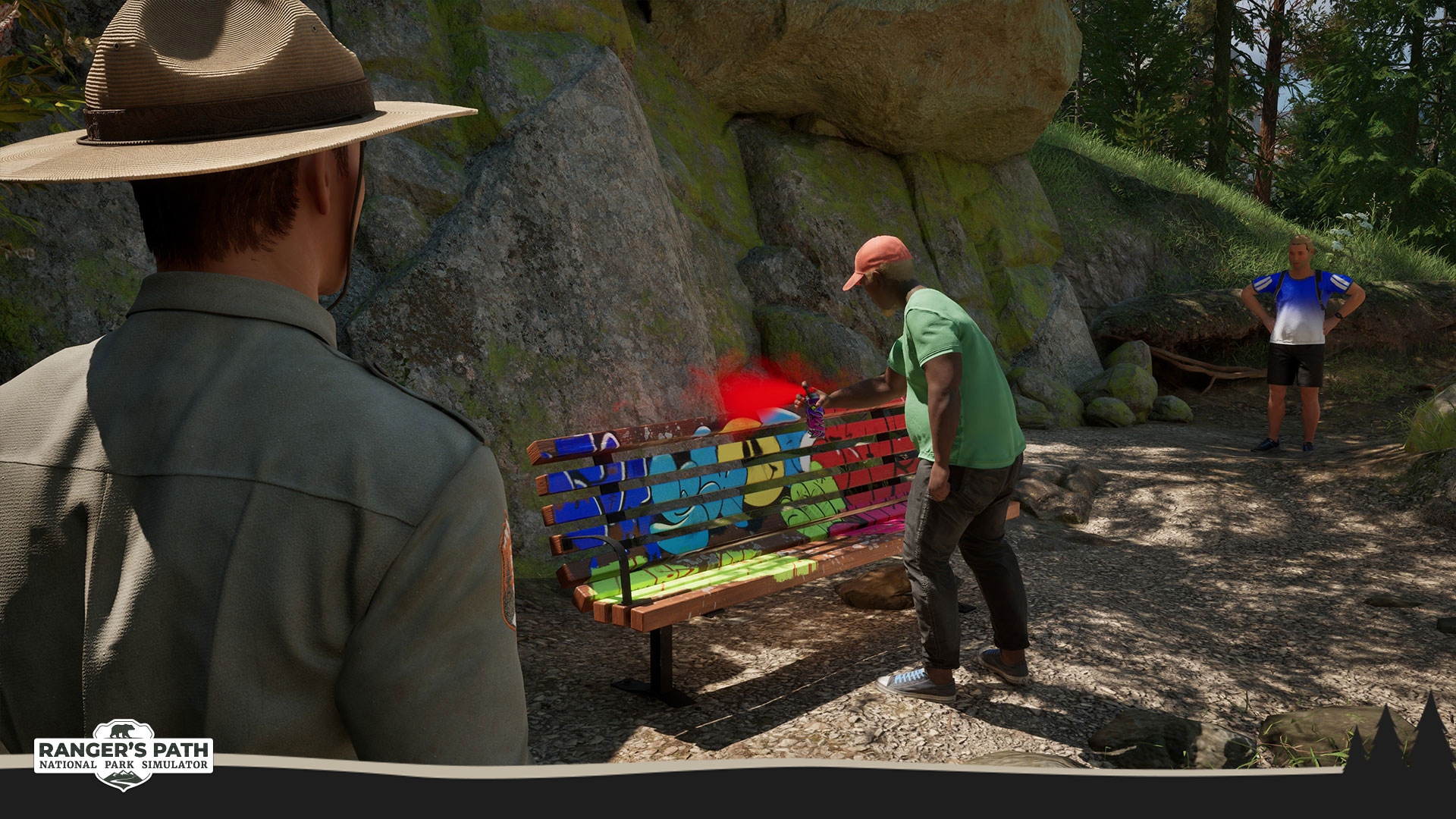
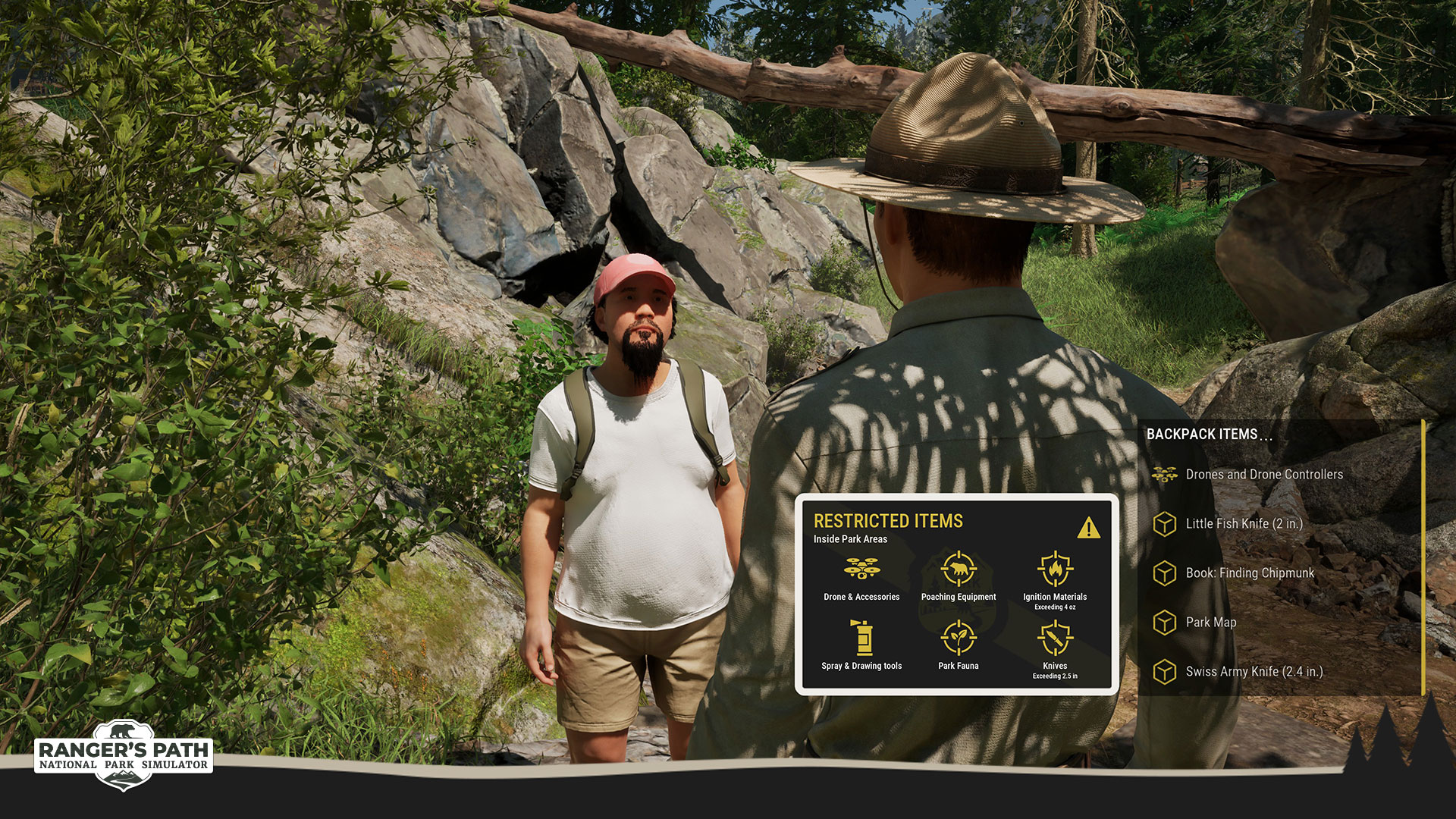
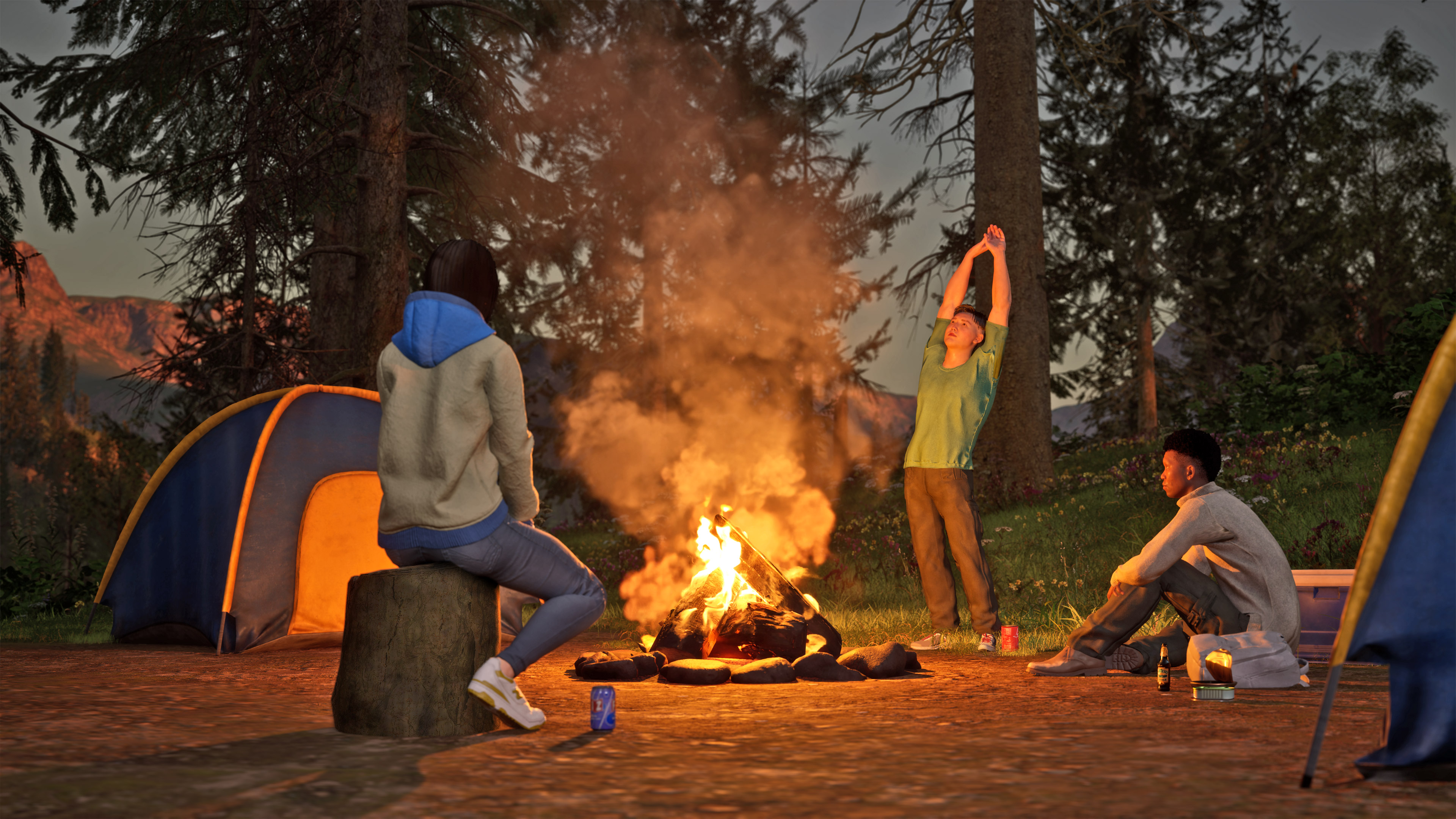
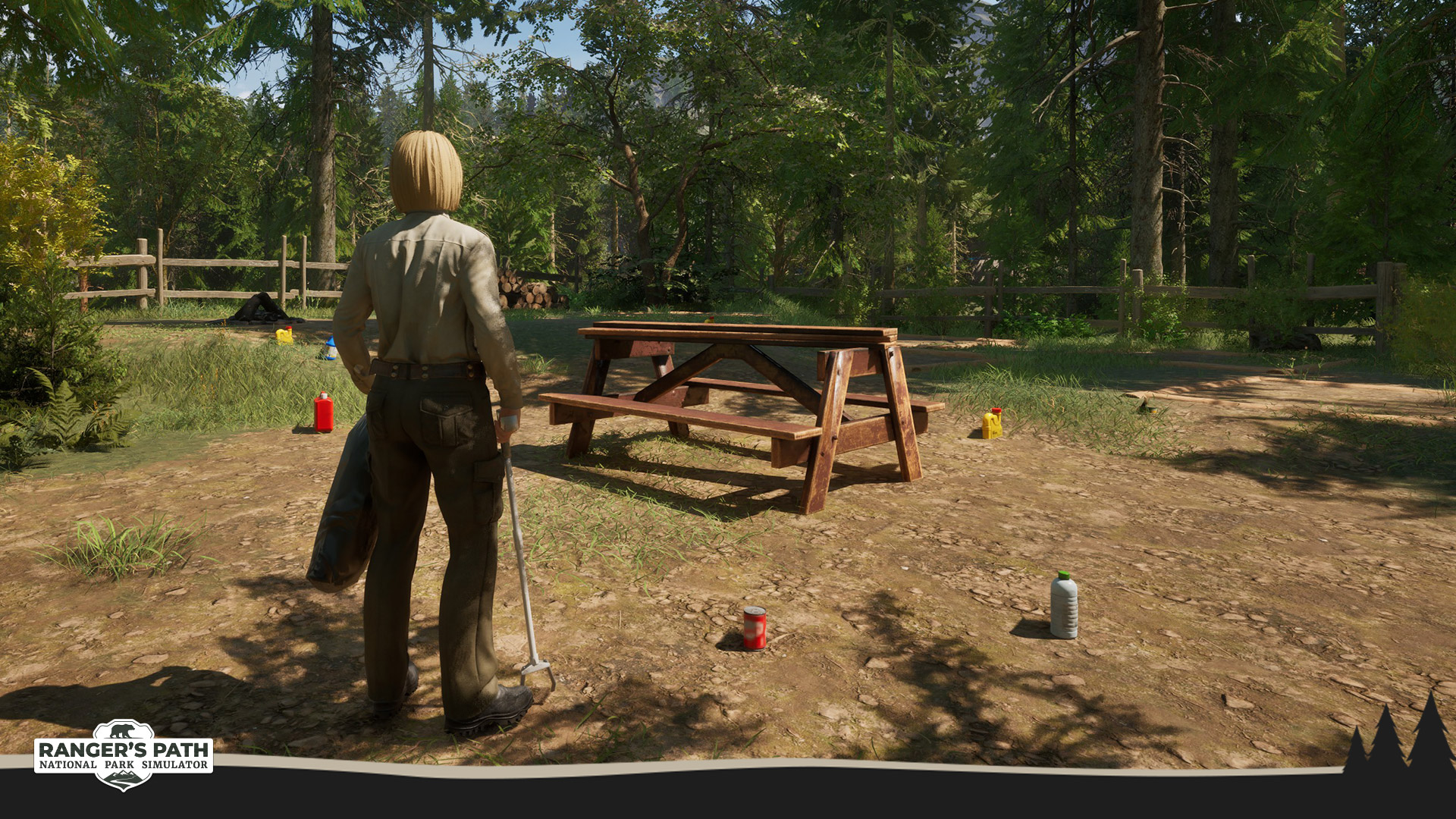
But your job isn’t just about nature – it’s also about people. You’ll guide campers, check permits, respond to emergencies, and investigate unusual behavior. Handle incidents such as illegal drone flights, vandalism, or poaching, and search backpacks for prohibited items to keep the park welcoming and safe.
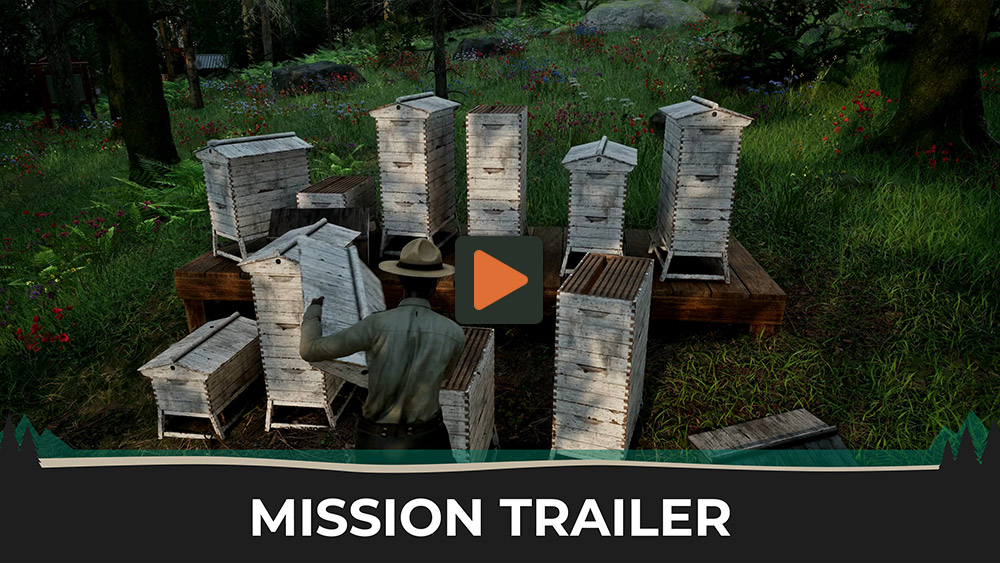
Take on additional ranger duties such as inspecting plant health, marking or removing damaged flora, restocking supplies across the park, and transporting materials between locations. Track your impact through a park review system that reflects how well you maintain different areas and unlock new missions and items within your park.
Put on your ranger hat and begin your journey today in Ranger’s Path: National Park Simulator.
 Features
Trailer
Features
Trailer



The heart of the film is "Alpha," the titular City of a Thousand Planets. The opening sequence, set to David Bowie’s "Space Oddity," elegantly charts the history of the International Space Station as it grows over centuries, welcoming alien species until it becomes too massive for Earth's orbit and is pushed into deep space.
Visually, the film is a triumph. From the "Big Market"—a multi-dimensional bazaar that requires special goggles to see—to the bioluminescent paradise of the Mül planet, Besson pushes digital effects to their absolute limit. Every frame is packed with imaginative creature designs and vibrant color palettes that stand in stark contrast to the gritty, "lived-in" aesthetic popularized by other sci-fi franchises. The Protagonists: Valerian and Laureline
Valerian and the City of a Thousand Planets is a reminder of what happens when a director is given total creative freedom. It is a sensory-overload experience that prioritizes wonder over tight plotting. For those tired of the "dark and gritty" sci-fi trope, Alpha offers a neon-soaked alternative that celebrates the diversity of the cosmos.
Unlike cinematic universes that feel manufactured for sequels, Valerian feels like a snapshot of a vast, existing world.
Her performance as Bubble, a shape-shifting "glamopod," features a dazzling dance sequence that remains one of the most creative uses of VFX in modern film.
While the chemistry between the leads was a point of contention for critics, their dynamic captures the "bickering professional" energy of the original comics. Valerian is the arrogant, rule-following ace pilot, while Laureline is the grounded, highly capable heart of the operation. Their mission to retrieve a "converter"—the last of its kind from a destroyed civilization—unravels a massive intergalactic conspiracy. Why It Became a Cult Classic
Subscribe to our newsletter to get the latest news of Ranger’s Path: National Park Simulator right in your inbox. Please note that you have to confirm your subscription before receiving our newsletter.
The heart of the film is "Alpha," the titular City of a Thousand Planets. The opening sequence, set to David Bowie’s "Space Oddity," elegantly charts the history of the International Space Station as it grows over centuries, welcoming alien species until it becomes too massive for Earth's orbit and is pushed into deep space.
Visually, the film is a triumph. From the "Big Market"—a multi-dimensional bazaar that requires special goggles to see—to the bioluminescent paradise of the Mül planet, Besson pushes digital effects to their absolute limit. Every frame is packed with imaginative creature designs and vibrant color palettes that stand in stark contrast to the gritty, "lived-in" aesthetic popularized by other sci-fi franchises. The Protagonists: Valerian and Laureline
Valerian and the City of a Thousand Planets is a reminder of what happens when a director is given total creative freedom. It is a sensory-overload experience that prioritizes wonder over tight plotting. For those tired of the "dark and gritty" sci-fi trope, Alpha offers a neon-soaked alternative that celebrates the diversity of the cosmos.
Unlike cinematic universes that feel manufactured for sequels, Valerian feels like a snapshot of a vast, existing world.
Her performance as Bubble, a shape-shifting "glamopod," features a dazzling dance sequence that remains one of the most creative uses of VFX in modern film.
While the chemistry between the leads was a point of contention for critics, their dynamic captures the "bickering professional" energy of the original comics. Valerian is the arrogant, rule-following ace pilot, while Laureline is the grounded, highly capable heart of the operation. Their mission to retrieve a "converter"—the last of its kind from a destroyed civilization—unravels a massive intergalactic conspiracy. Why It Became a Cult Classic